ABB SPDSI14 + NTDI21-A – Dual-Function Signal Processing & Digital Input Module
Introduction
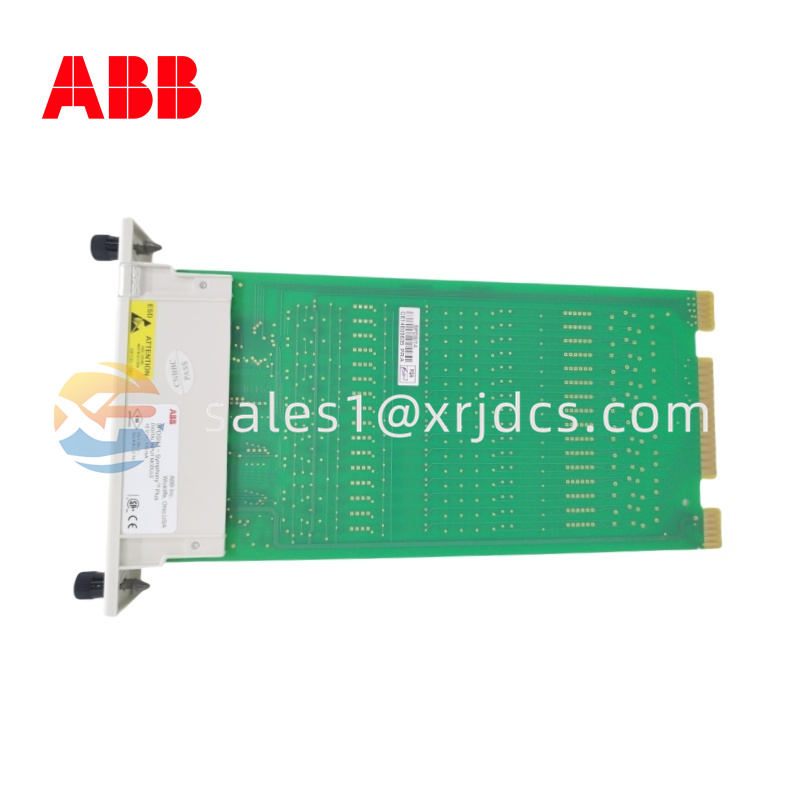
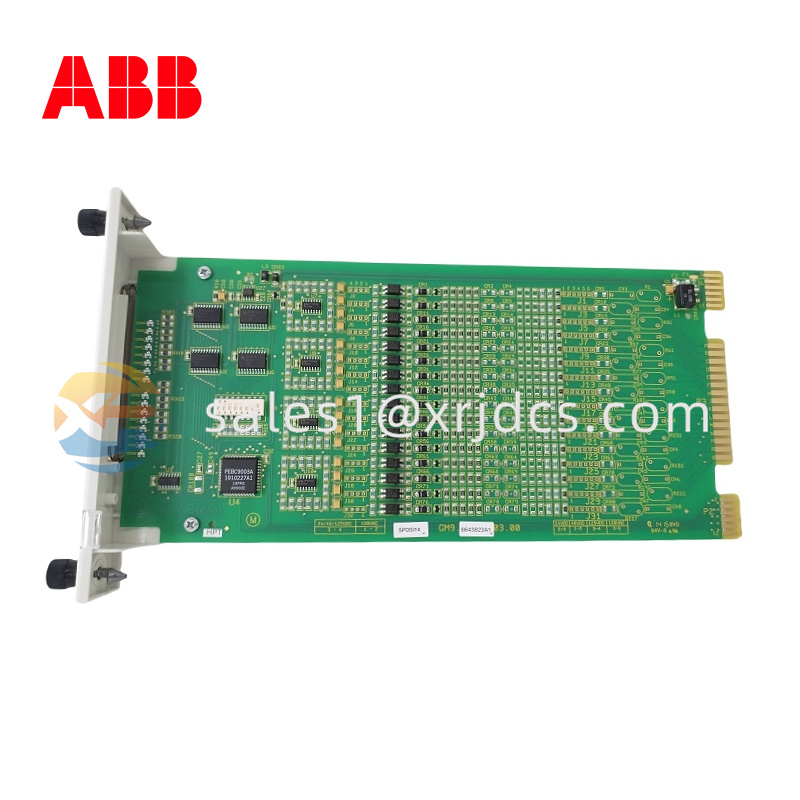
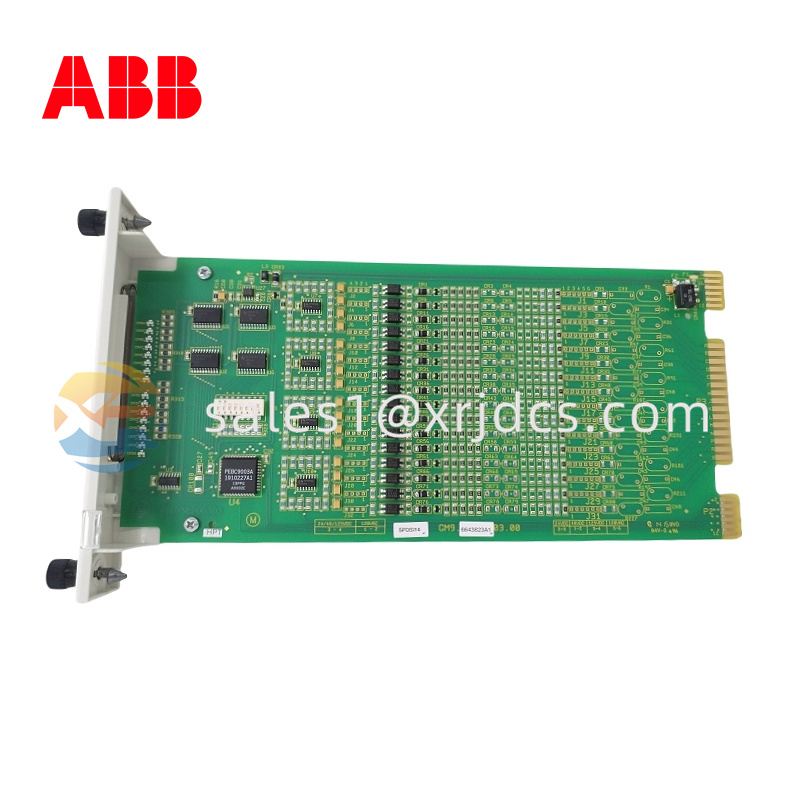
The ABB SPDSI14 + NTDI21-A module combination is designed for industrial automation systems requiring high-reliability signal conditioning and digital input acquisition. Together, these modules deliver stable signal processing, fast input detection, and dependable performance in environments where precision and ruggedness are critical. This dual-module configuration enhances system versatility, making it suitable for complex control architectures found in process, energy, and manufacturing industries.
Functional Characteristics
Dual-module synergy: SPDSI14 manages signal processing, while NTDI21-A handles multiple digital inputs, enabling a broader control scope.
High electromagnetic immunity, ensuring stable operation in harsh electrical environments.
Fast input recognition, ideal for time-critical control sequences.
Robust isolation mechanisms protecting equipment from surges and noise.
Compact integration, allowing dense module placement in ABB racks.
Long operational lifespan due to industrial-grade electronic components.
Diagnostics support for quick troubleshooting and system monitoring.
Technical Parameters
Module Set: SPDSI14 + NTDI21-A
Function: Signal processing + 24 VDC digital input interface
Input Channels: NTDI21-A provides multi-channel digital inputs (14 channels typical)
Voltage Level: Standard 24 VDC industrial input levels
Isolation: Opto-isolated inputs for electrical protection
Communication: Backplane system bus interface compatible with ABB control architecture
Operating Temperature: –10°C to +55°C
Mounting Method: DIN/control rack plug-in module system
Indicators: LED input/channel indicators for rapid diagnostics
Protection: Surge suppression, noise filtering, input debouncing mechanisms
Structural Design
The SPDSI14 + NTDI21-A ensemble follows ABB’s reliable modular layout, including:
Reinforced connector edges ensuring firm engagement under vibration
Shielded PCB zones that minimize electromagnetic interference
Thermally optimized module casing supporting heat dissipation
Rigid industrial housing resistant to dust and cabinet-level temperature changes
Front-panel LEDs for active monitoring of channel activity and module health
Layered circuit structure for high-speed signal routing and stable processing performance
This construction supports long-term stability in continuous-operation environments.
Application Areas
This module pair is suitable for industries requiring accurate, noise-resistant digital input and signal handling:
Process automation (chemical, petrochemical, refining)
Power generation and distribution control
Manufacturing and assembly systems
Conveyor, packaging, and logistics automation
Water treatment and utility monitoring systems
Industrial robotics and machine-level control
Distributed control systems (DCS) and supervisory automation platforms
Its strong reliability makes it well-suited for safety-critical and long-duration operation.
Installation Guidelines
Ensure all system power is fully disconnected before installation.
Insert the SPDSI14 and NTDI21-A modules into their designated ABB rack slots.
Slide each module along the guide rails until the backplane connectors firmly engage.
Lock modules using rack retention mechanisms.
After powering the system, confirm LED indicators reflect proper activity.
Configure input channels and signal parameters via ABB engineering software.
Maintenance Advice
Inspect connectors periodically for dust or oxidation.
Verify stable seating of both modules, especially in high-vibration cabinets.
Monitor diagnostic LEDs to identify abnormal input states quickly.
Maintain a clean, dry enclosure to prolong module lifespan.
Follow ABB service procedures when performing module replacement.
Keep wiring organized and shielded to minimize interference.
Additional Notes
The ABB SPDSI14 + NTDI21-A combination offers a high-efficiency, dependable solution for digital input processing and precise signal management in ABB automation platforms. Its durability, accuracy, and system compatibility make it an essential component for modern industrial control systems.



 Switzerland
 .jpg)
.jpg)
.jpg)