ABB NDBU-95C (64008366) – Network & Data Buffer Unit for Industrial Automation
Product Introduction
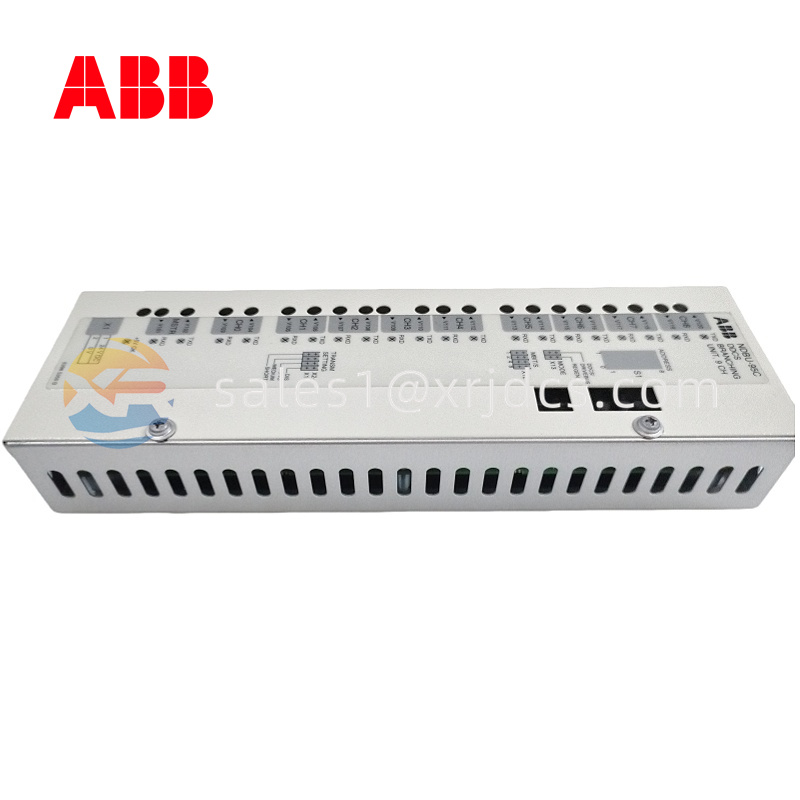
The ABB NDBU-95C, part number 64008366, is a data buffer and communication interface module designed for ABB automation and control architectures. Its primary role is to facilitate stable data exchange, manage communication timing, and ensure reliable synchronization between distributed control components. Built for harsh industrial environments, the NDBU-95C enhances the robustness and responsiveness of modern automation networks.
1. Core Applications
The NDBU-95C is widely used across industries requiring dependable communication and data buffering:
Distributed control systems in power plants
Industrial robotics and automated production lines
Oil & gas processing and refining operations
Mining, metallurgy, and heavy manufacturing
Water & wastewater management systems
Large-scale utility and substation automation
Its stability and buffering performance make it ideal for systems requiring precise timing and continuous data integrity.
2. Key Features
High-reliability data buffering, reducing risk of data loss during communication delays
Stable synchronization between multiple control modules
Excellent noise immunity, ideal for EMC-heavy industrial zones
Flexible interface compatibility within ABB’s automation ecosystem
Long operational lifespan, engineered for continuous, high-duty environments
Compact modular design, easily integrated into control racks
Status and diagnostic indicators to simplify commissioning and troubleshooting
3. Structural Components
The ABB NDBU-95C integrates several specialized internal sections:
Communication Front-End – Manages data reception and protocol handling
Buffer Memory Module – Ensures temporary data storage with high integrity
Signal Conditioning Block – Filters and stabilizes incoming data signals
Isolation Barrier – Protects internal control circuits from voltage disturbances
Output Synchronization Unit – Sends clean, verified data to downstream modules
Reinforced Housing – Industrial-grade casing for vibration and EMC endurance
4. Technical Specifications
| Category |
Specification |
| Module Function |
Network/Data Buffer Unit |
| Part Number |
64008366 |
| Input Type |
Digital data signals (protocol-dependent) |
| Output Type |
Buffered, synchronized communication output |
| Memory |
Industrial-grade buffer memory |
| Power Supply |
ABB standard module power system |
| Operating Temperature |
Industrial environmental range |
| Mounting Style |
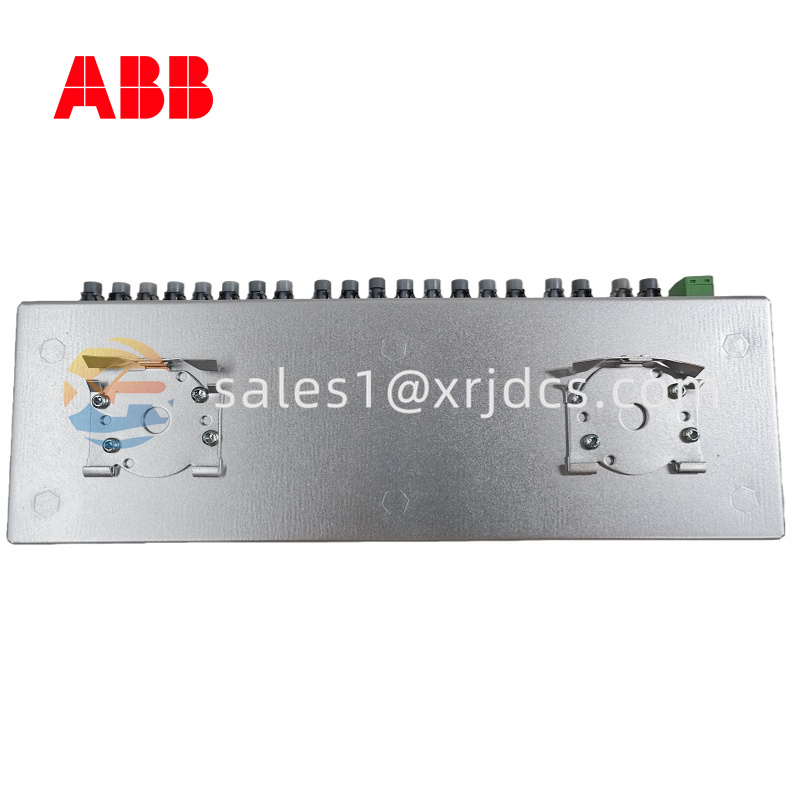
ABB system rack or designated slot |
| Protection |
EMC shielding, signal isolation, surge resistance |
5. Operating Principles
The NDBU-95C collects incoming communication data, stores it momentarily in its internal buffer, and outputs it in a controlled, fully synchronized format. This prevents communication congestion, halves data jitter, and stabilizes timing across controllers—especially important in distributed or high-speed automation architectures.
6. Installation Guidelines
Mount the module into the designated ABB automation rack or slot
Verify correct orientation and secure locking before wiring
Use shielded communication cables to ensure noise-free data transfer
Ground according to ABB system EMC practices
After applying power, verify communication health via ABB engineering tools
Perform test messaging or data polling to confirm buffering operation
7. Maintenance & Reliability Tips
Inspect connectors and wiring during routine maintenance
Ensure the module is not exposed to excessive dust, oil vapor, or moisture
Monitor diagnostics and alarm indicators for early detection of communication issues
Check for secure seating within the rack, especially in high-vibration environments
Update system firmware or configuration according to ABB guidelines
8. Final Notes
The ABB NDBU-95C (64008366) excels in providing stable, efficient, and interruption-resistant communication within ABB automation solutions. Its reliability, robust electrical design, and long service life make it indispensable for applications where data synchronization and communication integrity are mission-critical.




 Switzerland