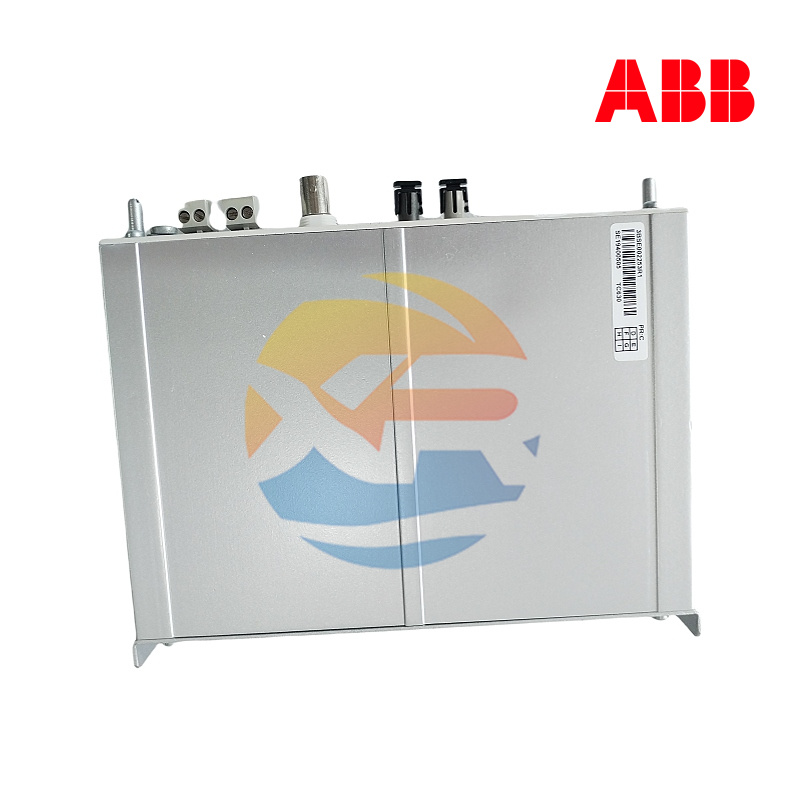
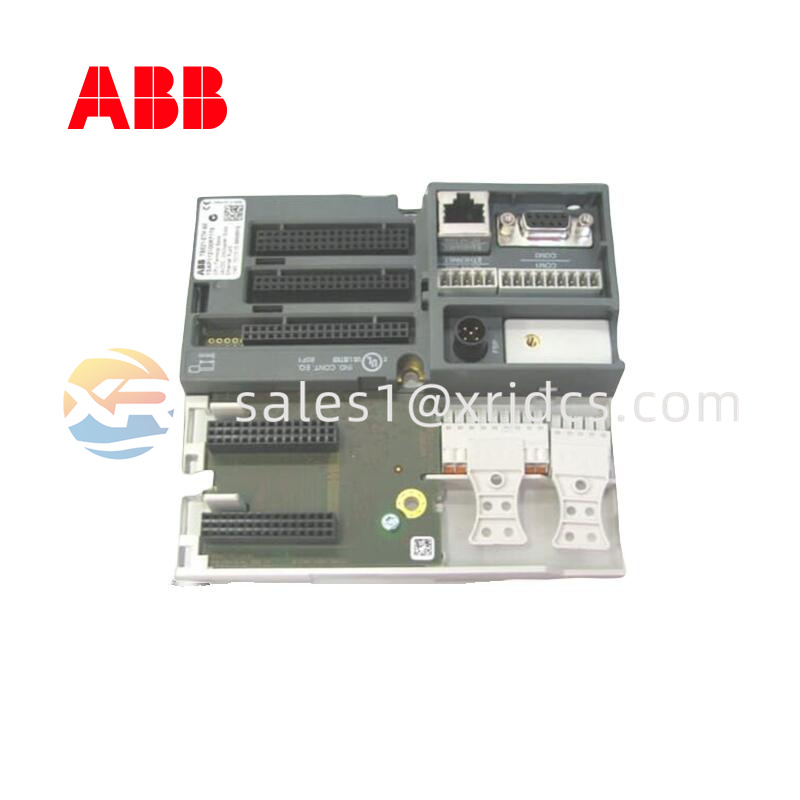
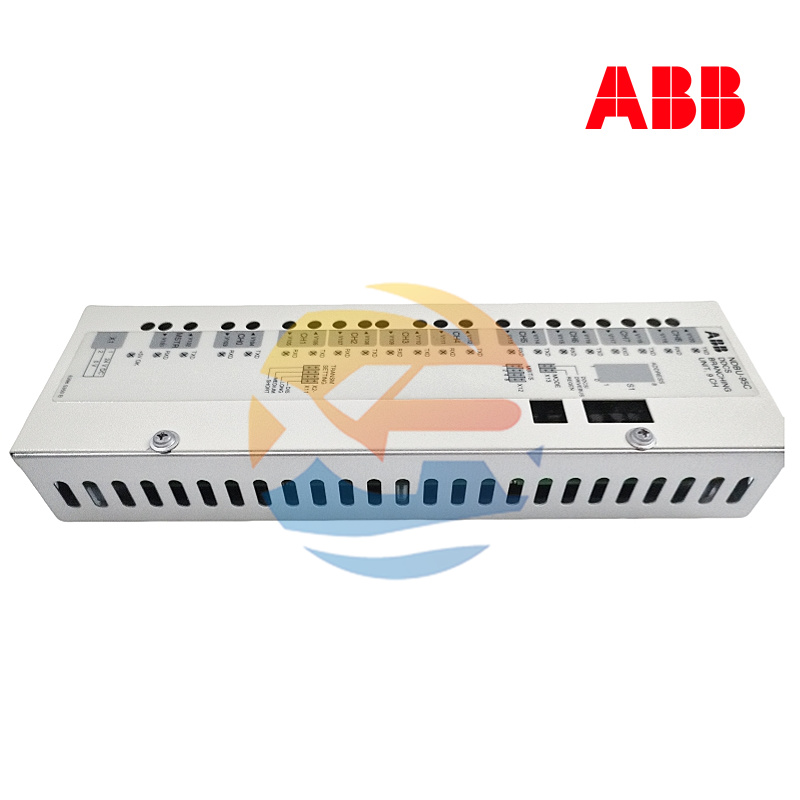
ABB 500TRM02 1MRB150011R0001 – Industrial Trip Relay Module
Overview
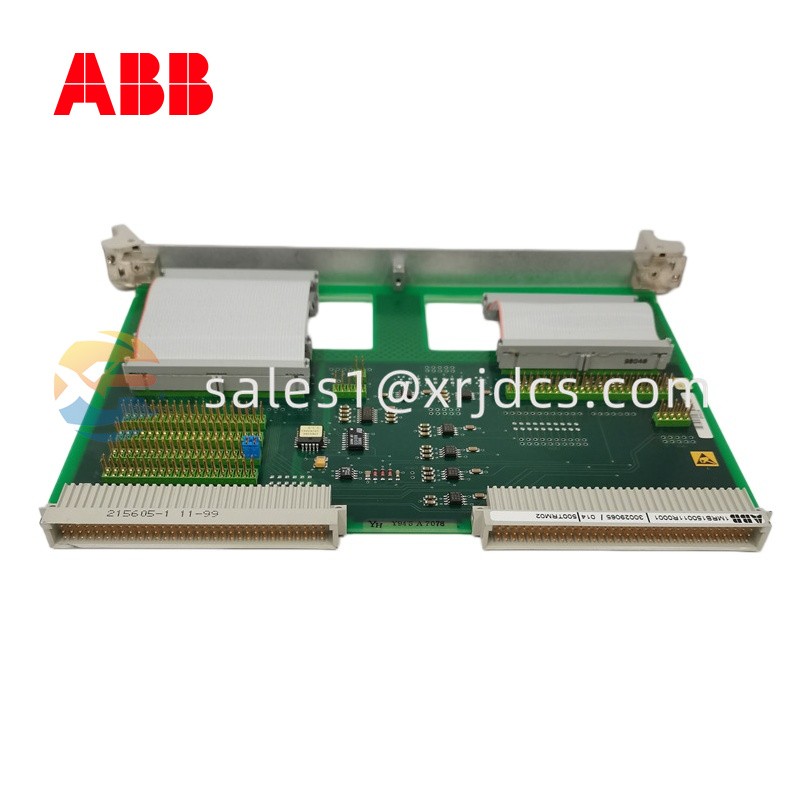
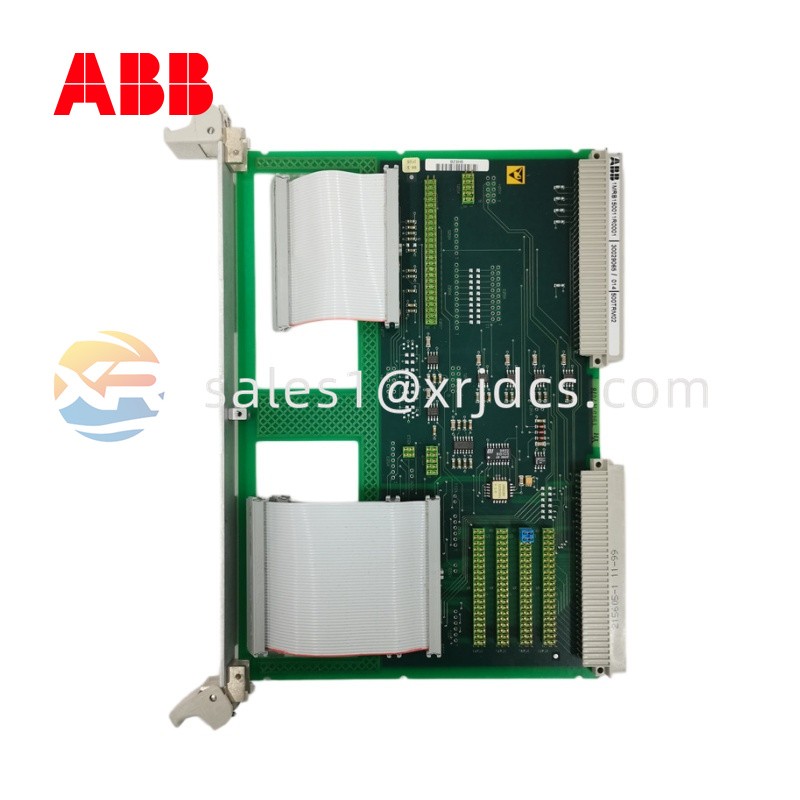
The ABB 500TRM02 1MRB150011R0001 is a precision trip relay module designed for industrial protection and control systems. It provides rapid, reliable activation of shutdown circuits in response to abnormal operating conditions, helping prevent equipment damage and ensuring operational safety in critical industrial applications.
Key Features
Rapid Tripping Action: Executes fault responses with minimal delay to protect equipment
High Reliability: Industrial-grade design ensures continuous operation under harsh conditions
System Compatibility: Seamlessly integrates with ABB 500 series protection and control systems
Electrical Isolation: Safeguards control systems from overcurrent or fault propagation
Compact & Rugged Design: Durable construction resistant to vibration, temperature swings, and dust
Structural Design
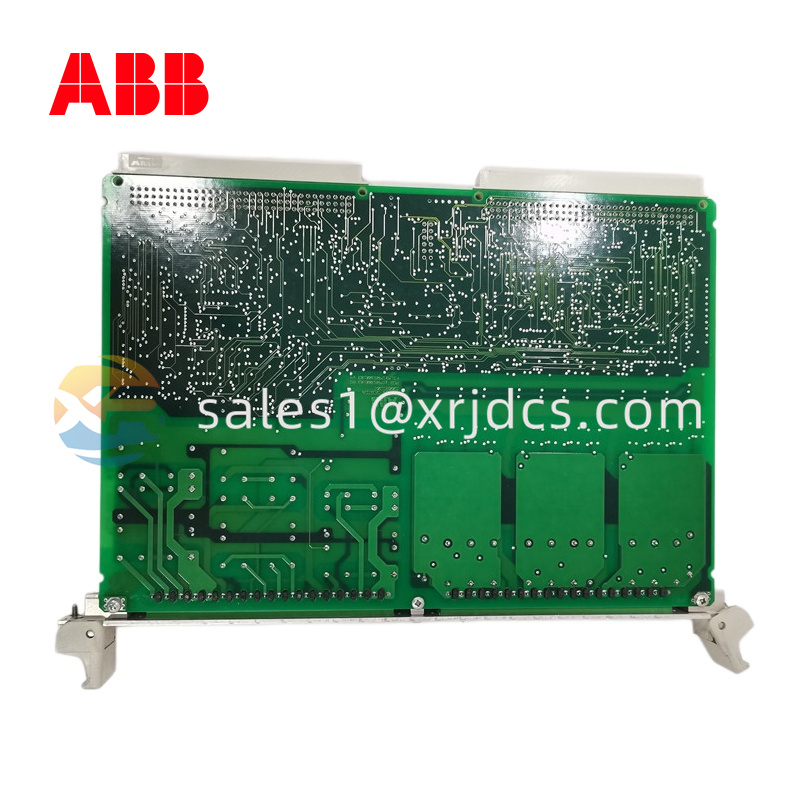
The 500TRM02 module features a robust internal architecture:
High-speed relay components for fast switching
Signal conditioning circuits to ensure accurate tripping
Secure industrial connectors for reliable integration
Protective housing engineered for long-term durability
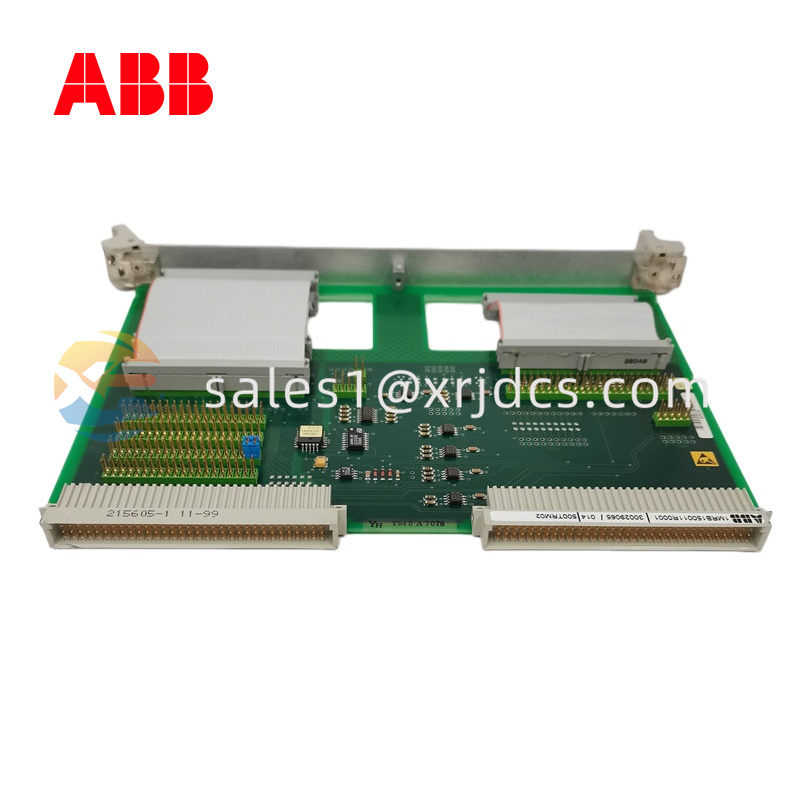
Technical Overview
The ABB 500TRM02 (1MRB150011R0001) operates as a dedicated trip relay module supporting multiple output circuits. It is optimized for continuous operation within an ambient temperature range of -20°C to +70°C. The module is installed in standard control racks or panels and is designed to meet strict industrial standards for safety, reliability, and long-term performance.
Applications
This trip relay module is widely used in:
Electrical substations and switchgear protection
Motor and generator protection systems
Industrial automation control systems
Oil & gas and petrochemical plant safety systems
Heavy machinery requiring fault-triggered shutdown
Installation & Maintenance
Installation: Mounts easily in standard control racks or cabinets; ensure correct wiring of relay outputs
Maintenance: Routine inspection of relay contacts and connectors, functional testing of trip circuits, and system diagnostics ensure optimal performance
Operational Advantages
Protects critical assets by preventing equipment damage during faults
Reduces operational downtime and maintenance costs
Improves overall safety and reliability of industrial processes
Supports predictive maintenance and condition-based monitoring strategies





 Switzerland