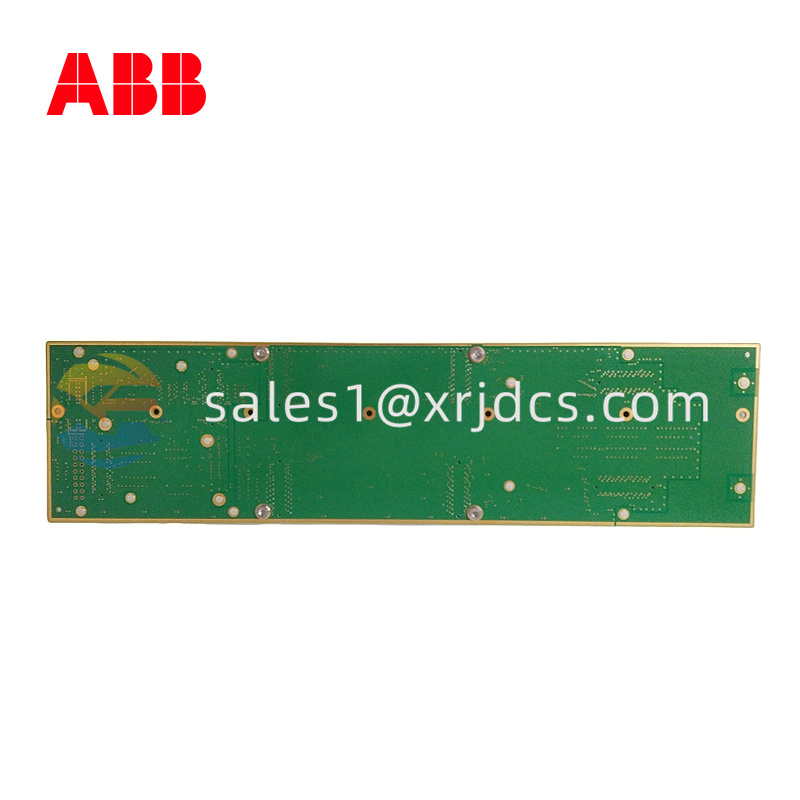
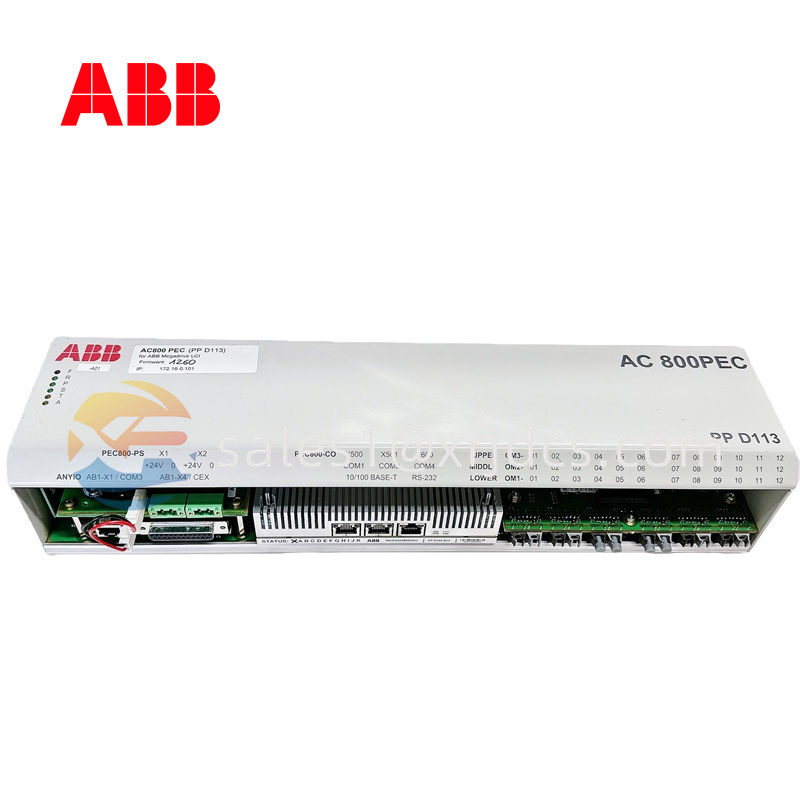
ABB IPMON01 Power Monitor Module
Product Overview
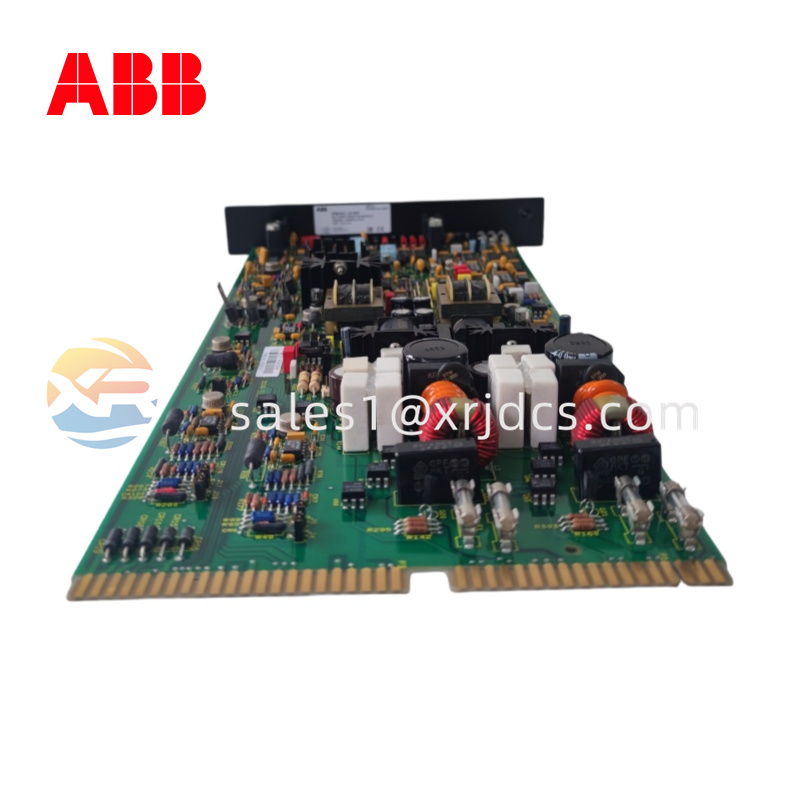
The ABB IPMON01 is a power monitoring module designed for industrial automation and distributed control systems (DCS). It functions as a dedicated monitoring unit that measures and analyzes electrical parameters, provides system status information, and supports protective or control logic functions in complex industrial environments.
This module finds wide adoption in power systems, automation cabinets, and PLC/DCS networks where real‑time power condition data and system health indicators are crucial for process control and fault detection.
Technical Parameters
Electrical & Measurement Capabilities
Product Model: IPMON01
Type: Power/Process Monitoring Module
Input Power Characteristics: approx. 0.3 A @ 120 VAC or 0.2 A @ 240 VAC / 125 VDC (module power input)
Measured Electrical Parameters:
System voltage
Current status/measurements
Frequency and potentially power metrics (depending on system integration)
Logic Inputs: 2 logic status inputs enabling state detection (fault or normal conditions)
Status Outputs: Multiple open‑collector and opto‑isolated outputs for alarm and bus fault signaling
Fan/Equipment Monitoring Inputs: 2 inputs for low fan or auxiliary equipment status monitoring
Features & Functionality
Comprehensive System Monitoring
The IPMON01 module provides:
Real‑time power and electrical parameter monitoring to help assess system health
Logic status evaluation for auxiliary devices or environmental signals
Outputs suited for alarm and fault notification, including power fail interrupt outputs with defined logic levels
This ensures operational visibility and early detection of abnormalities in power‑critical sections of an industrial system.
Module Architecture & Construction
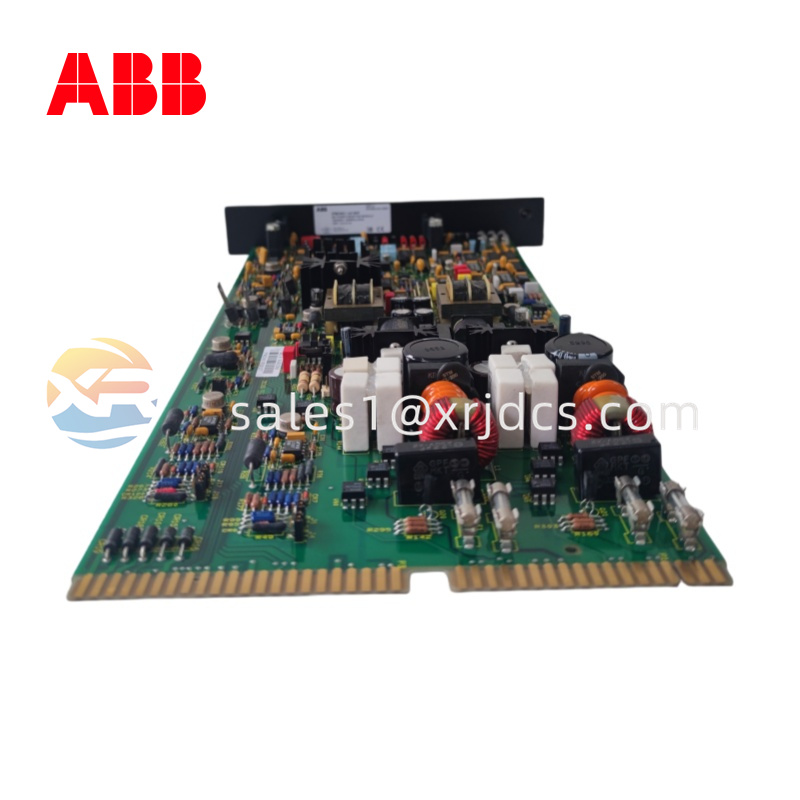
Unlike simple signal cards, the IPMON01 is built to be part of a Modular Power System II (MPS II) or similar system rack. Its structural characteristics include:
Rack‑mountable module form factor for integration into larger automation frameworks
Input/Output connectors for logic signals, fan status lines, and alarm outputs
Open‑collector and opto‑isolated interfaces that allow flexible linking with protective relays and control systems
This modular build allows users to deploy the module alongside power supply units, system logic boards, and other monitoring elements.
Typical Applications
The IPMON01 is suitable for use in:
Industrial Plants & Factories: Monitoring power supply and network status within automation cabinets
Distributed Control Systems (DCS): Often paired with legacy ABB platforms (e.g., Bailey Infi 90 or Net 90 DCS) to provide real‑time power condition insights
Process Control Systems: Signals trends and alarms for critical power variables
Equipment Protection Solutions: Works alongside protective relays, PLCs, and energy monitoring systems to enhance fault detection and response
Its application focus is on systems where electrical network integrity and heartbeat status cues are necessary for maintaining uptime and safety.
Installation & Setup
For proper deployment:
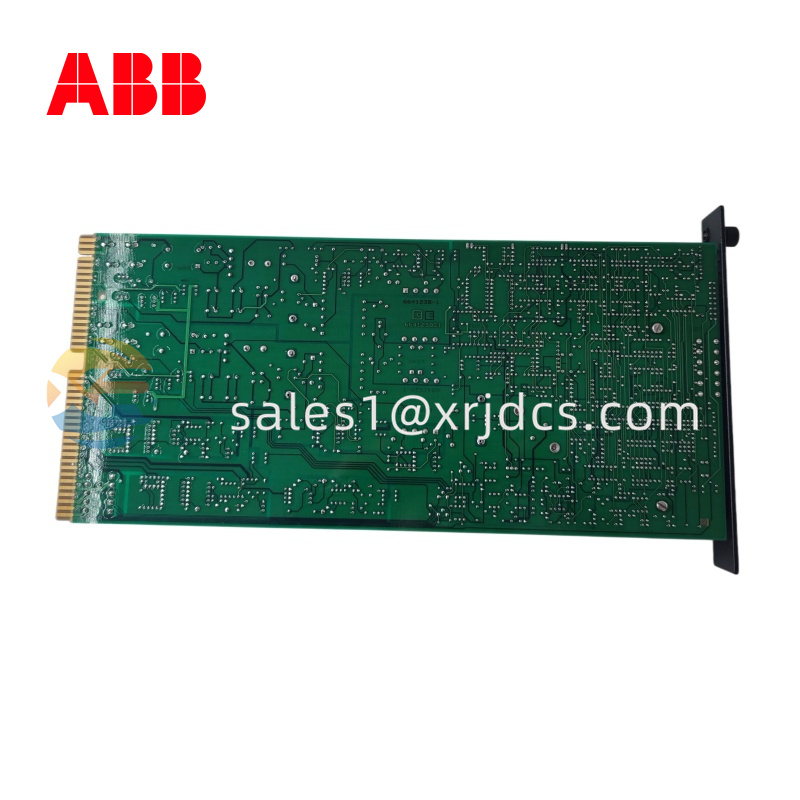
Mount the unit into a compatible rack system—ensure alignment with connectors and supports.
Connect logic input lines and status lines according to system wiring diagrams.
Link alarm outputs to PLC/DCS input channels for event or shutdown handling.
Ground and shield wiring as needed to protect against electrical noise in industrial environments.
Module integration is typically performed by certified automation technicians as part of the broader control system setup.
Maintenance & Operational Care
Periodic visual checks help detect corrosion or loose connections.
Check logic output signal levels to verify healthy communication with PLC or DCS.
Review alarm logs or status output histories (if supported by the host system) regularly to catch early trends before failure.
Routine inspection and adherence to signal integrity practices ensures the module provides reliable system feedback over time.
Advantages of Using the IPMON01
The ABB IPMON01 delivers a dependable monitoring solution with:
Multi‑parameter electrical oversight for robust energy management
Flexible logic and status interfacing with broader control systems
Modular design that integrates seamlessly into existing industrial DCS and automation architectures




 Switzerland
 .jpg)
.jpg)
.jpg)