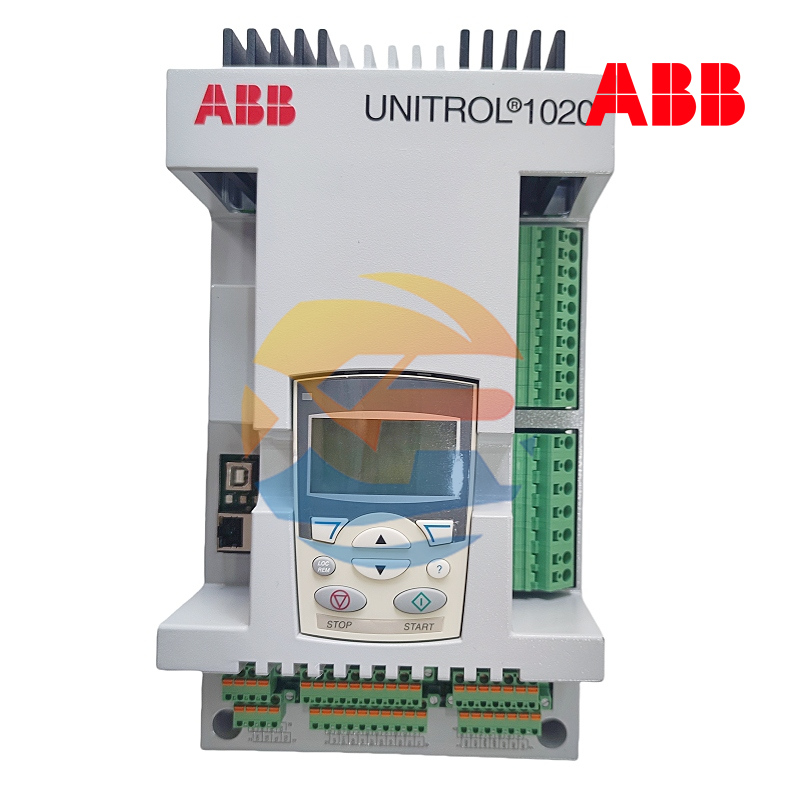
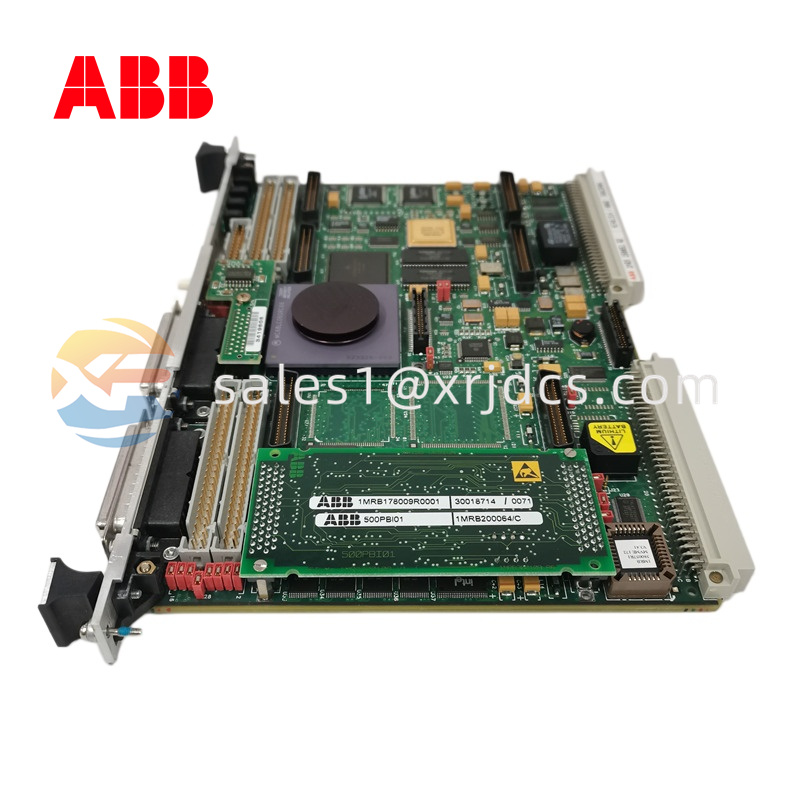
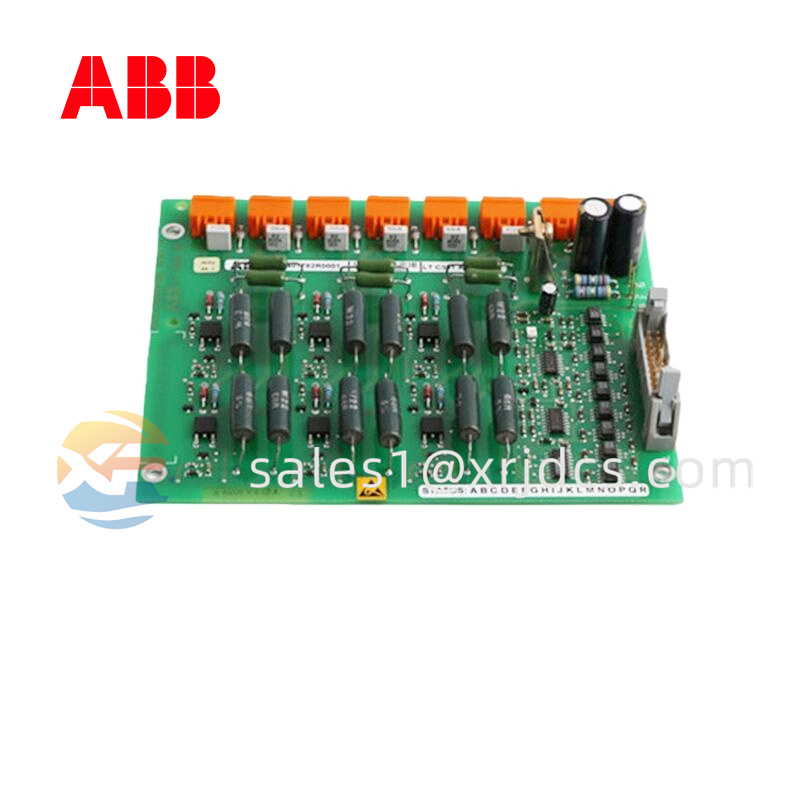
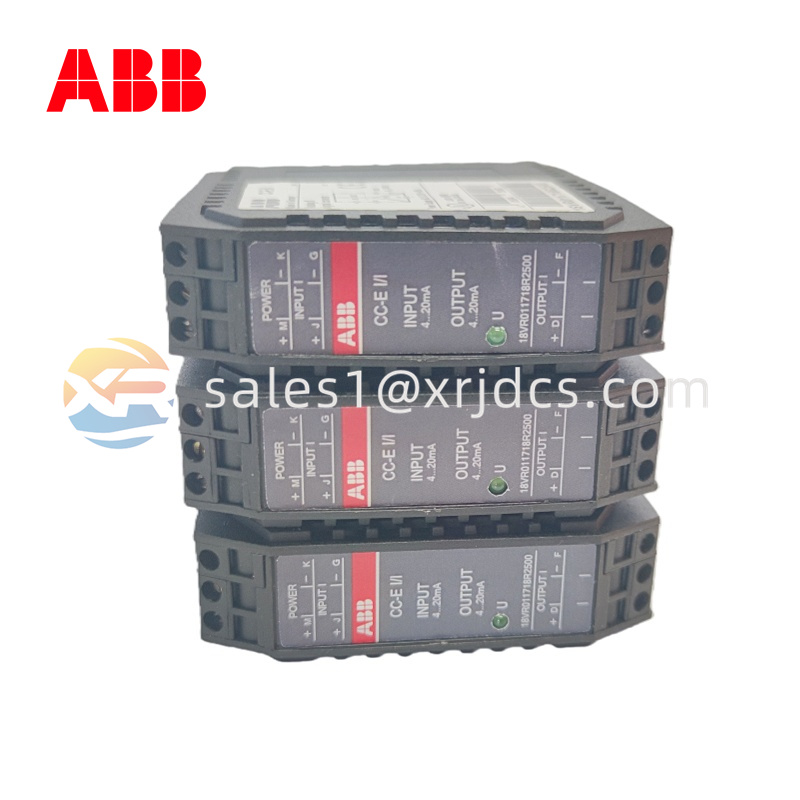
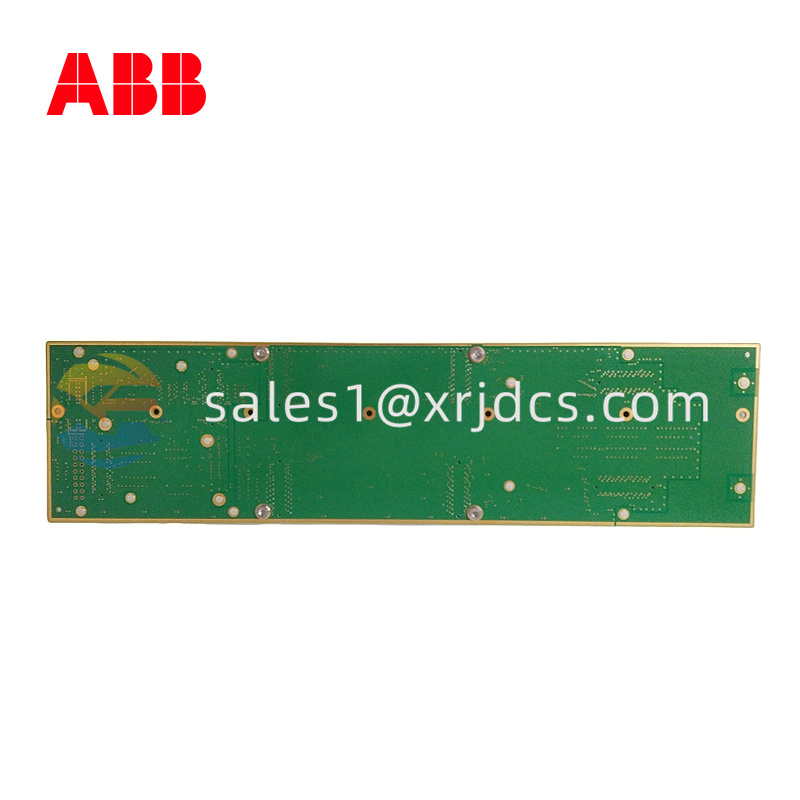
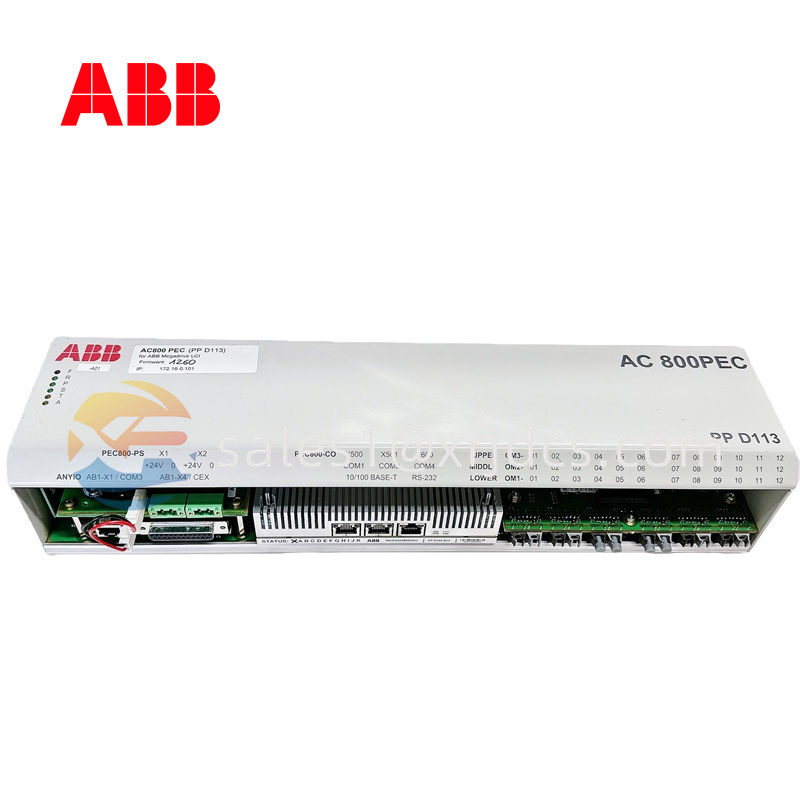
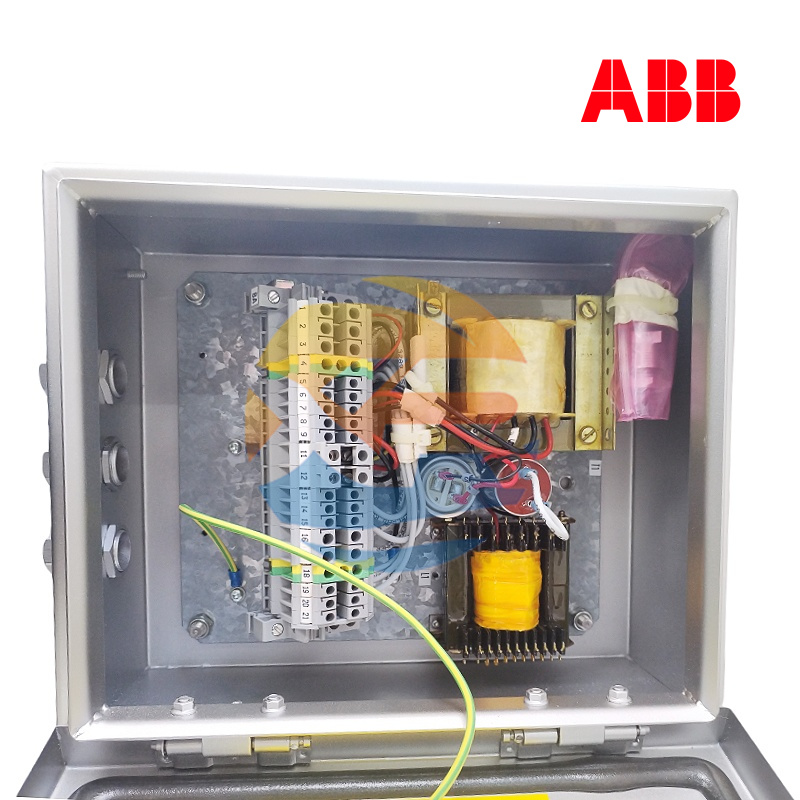
ABB PFVO102 / PFVO142 (3BSE023732R1) I/O & Control Module
Overview
The ABB PFVO102 and PFVO142 (3BSE023732R1) are industrial automation control and signal interface modules used in ABB distributed control and excitation/automation systems (such as Advant / AC 800xA / AC800M related architectures depending on configuration).
They are designed to handle high-precision signal conversion, process control, and field device interfacing, acting as a bridge between controllers and industrial equipment like valves, drives, and sensors.
Core Function
These modules are primarily used for signal acquisition and output control in industrial automation:
- Convert analog/digital field signals → controller-readable data
- Convert controller commands → executable field signals
- Provide precision voltage/current output for process control
- Enable closed-loop industrial control systems
- Support integration of sensors, actuators, and drive systems
PFVO142 is generally a higher-performance or expanded-channel version compared to PFVO102.
Key Features
- High-precision signal processing for industrial control loops
- Multi-channel architecture (PFVO142 typically offers more channels than PFVO102)
- Flexible analog output capability (0–10V / ±10V configurable depending on version)
- Strong industrial communication support (Profibus / Modbus / HART depending on system setup)
- Built-in diagnostics for open circuit, short circuit, and output fault detection
- High isolation design to resist EMI and industrial noise
- Modular installation for ABB control systems
Technical Characteristics
Instead of a single rigid specification, these modules vary slightly by configuration, but typical characteristics include:
- Supply Voltage: 24V DC system power
- Signal Types: Analog voltage/current outputs and field I/O signals
- Channel Configuration:
- PFVO102: typically 2-channel class design
- PFVO142: typically 4-channel or expanded precision output design
- Resolution: High-resolution digital conversion (up to 16-bit class in PFVO142)
- Communication: Industrial fieldbus integration (Profibus DP / Modbus RTU)
- Operating Temperature: Industrial-grade (approx. -20°C to +60°C range typical)
- Protection: Channel isolation and fault detection logic built-in
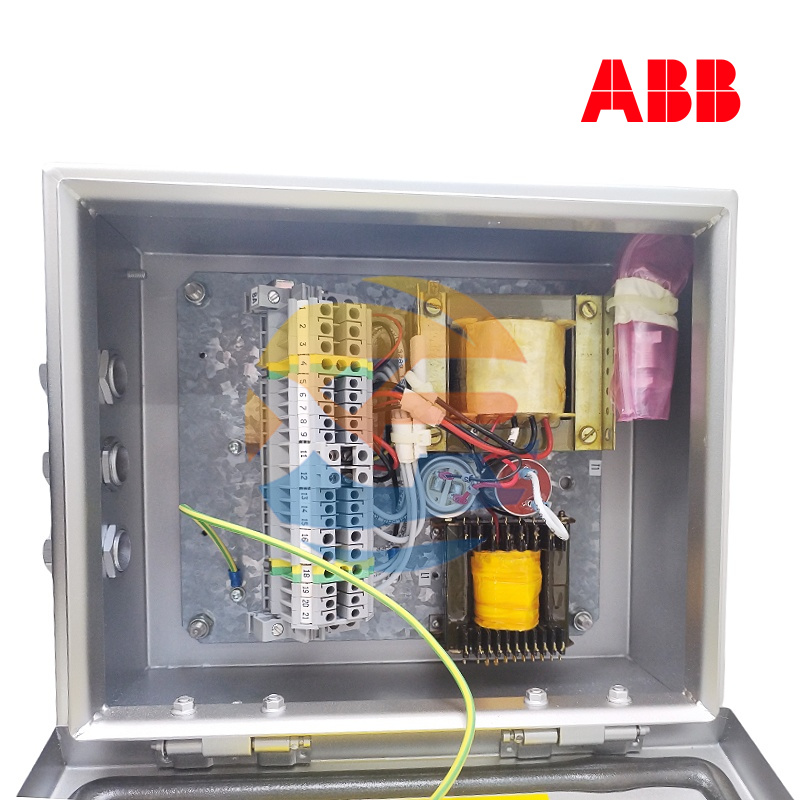
Structure & Composition
These modules are built as industrial-grade electronic control boards, including:
- Signal processing circuits (A/D & D/A conversion)
- Isolation barriers for safe field integration
- Communication interface chips
- Multi-channel output drivers
- Diagnostic and monitoring circuitry
- Backplane connector for ABB rack systems
Their modular PCB architecture ensures stable operation in vibration-heavy and high-noise environments.
Application Areas
The ABB PFVO102 / PFVO142 modules are widely used in:
- Steel and metallurgy rolling systems (force & tension control)
- Chemical process automation
- Power generation control systems
- Oil & gas process plants
- Industrial drive and actuator control systems
- General ABB DCS/PLC automation platforms
They are especially important in precision analog control loops such as pressure, flow, and force regulation.
Installation & Maintenance
Installation:
- Installed in ABB control racks or distributed I/O systems
- Requires correct addressing and system configuration
- Must be connected via shielded industrial wiring for noise immunity
Maintenance:
- Periodic diagnostics via control system software
- Check channel calibration and signal drift
- Inspect connectors for oxidation or looseness
- Replace module as a unit if internal fault is detected
Key Differences (PFVO102 vs PFVO142)
- PFVO102: Lower channel count, standard precision, simpler applications
- PFVO142: Higher precision, more channels, better suited for complex control systems
Summary
The ABB PFVO102 / PFVO142 (3BSE023732R1) modules are industrial-grade control interface units designed for high-precision signal conversion and automation control. With strong reliability, modular design, and flexible communication capabilities, they are widely used in heavy industry, process automation, and ABB control system architectures where accuracy and stability are critical.



 Switzerland
 .jpg)
.jpg)
.jpg)