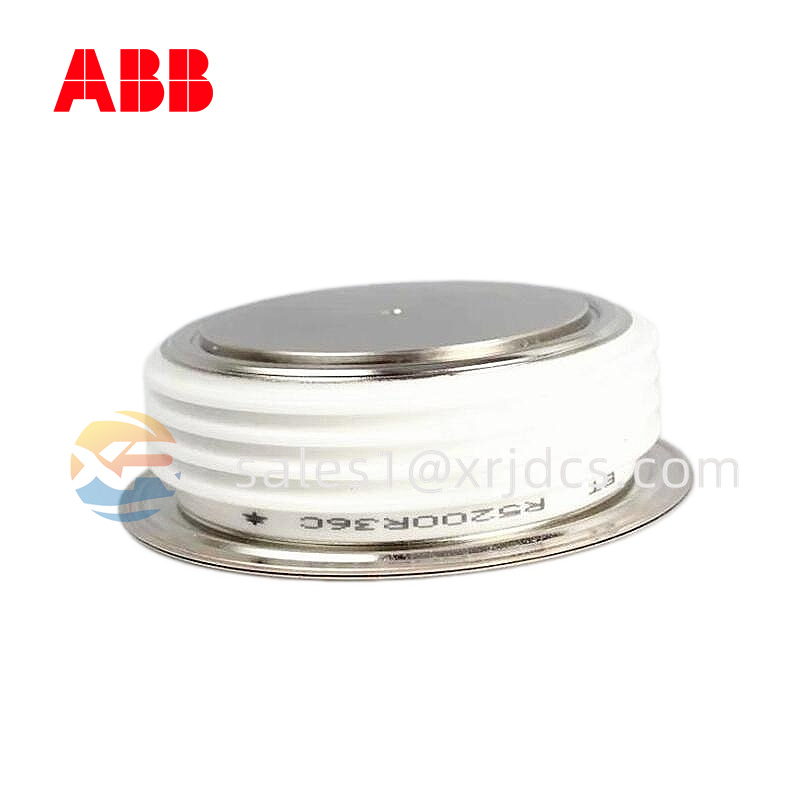
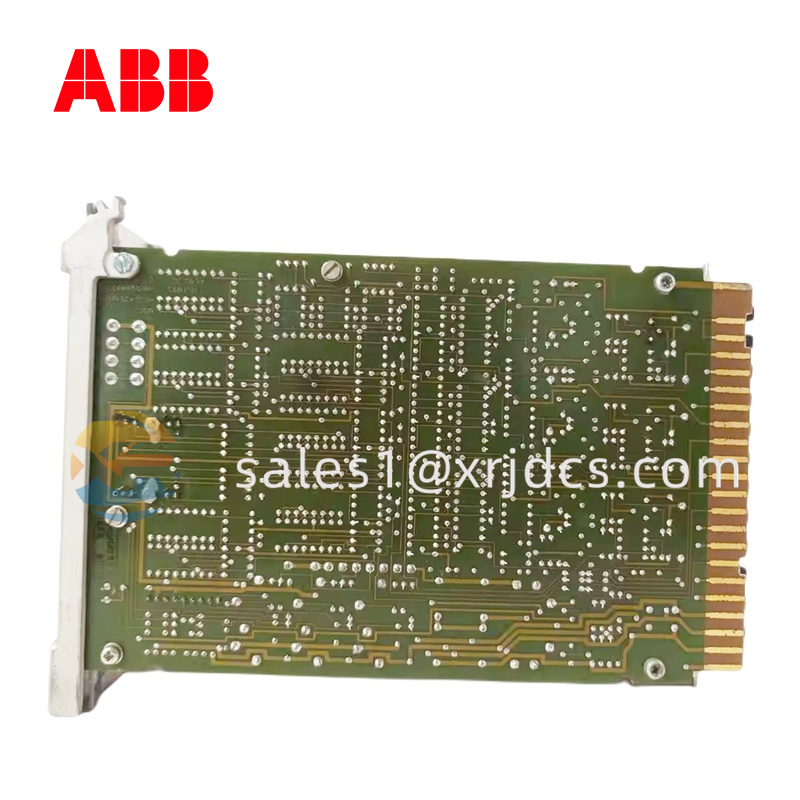
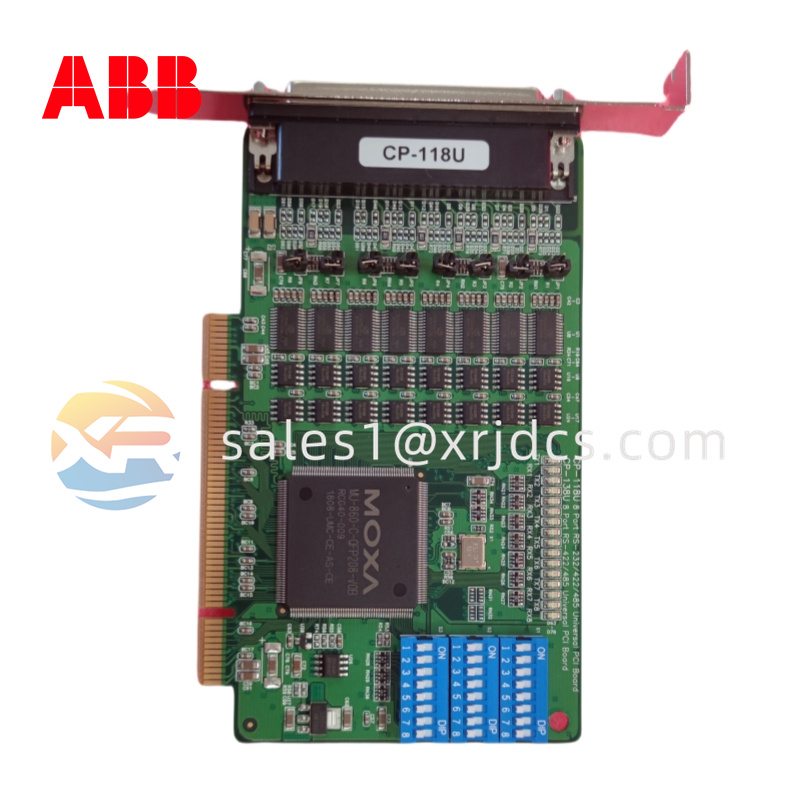
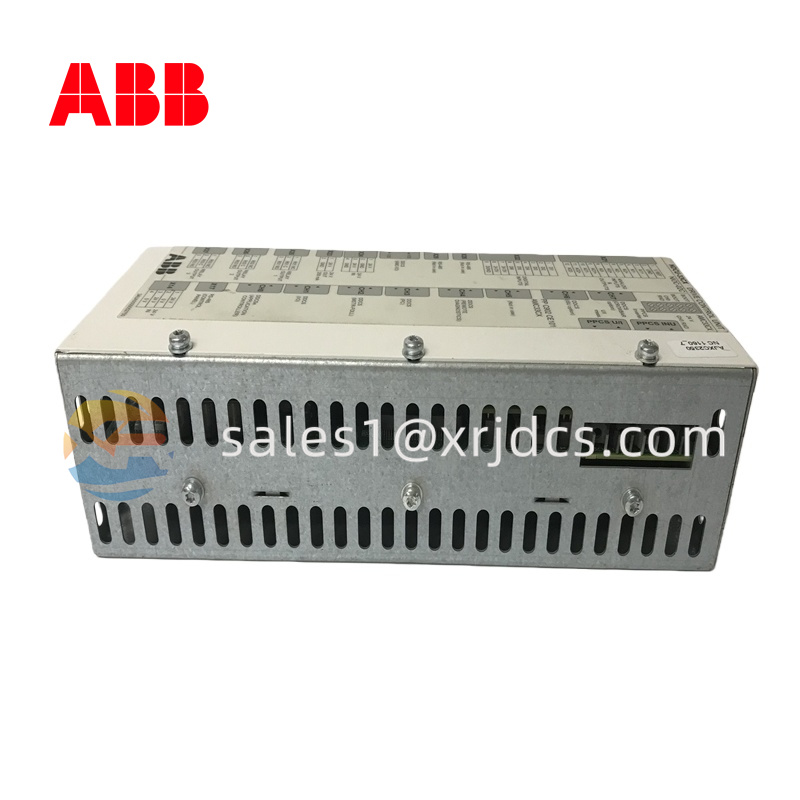
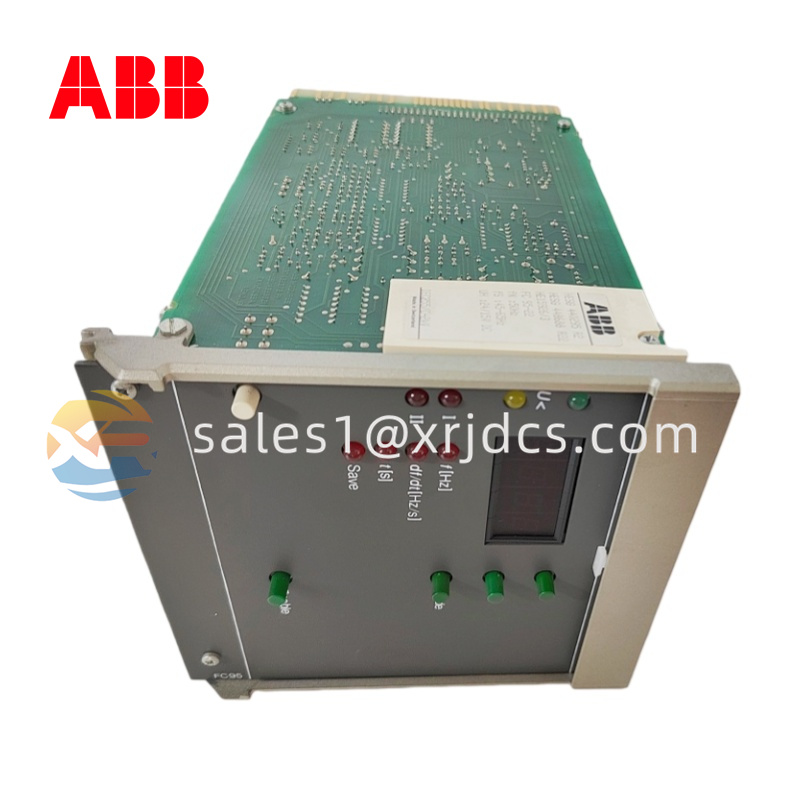
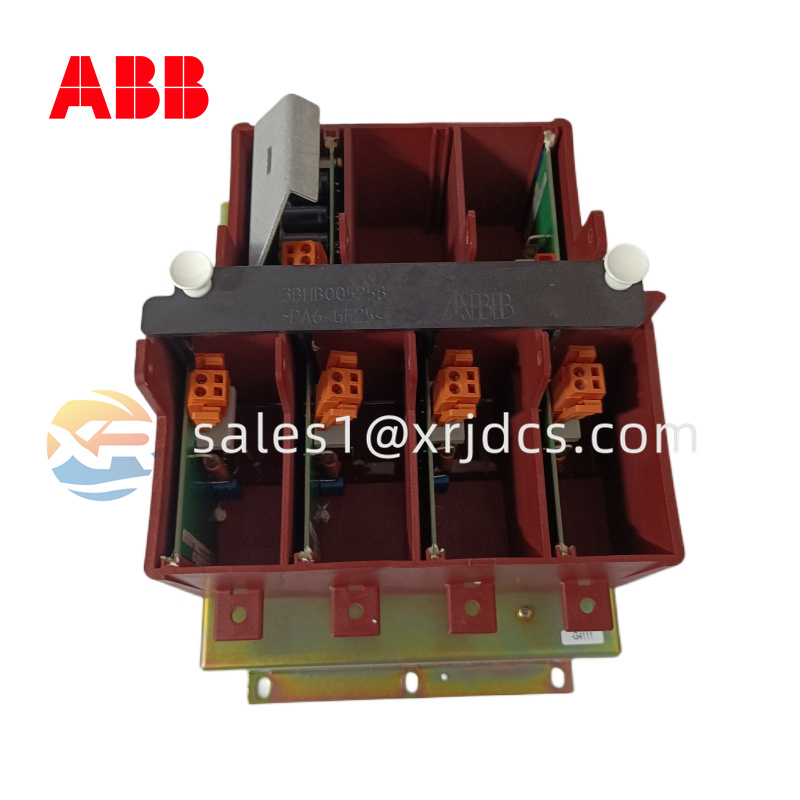
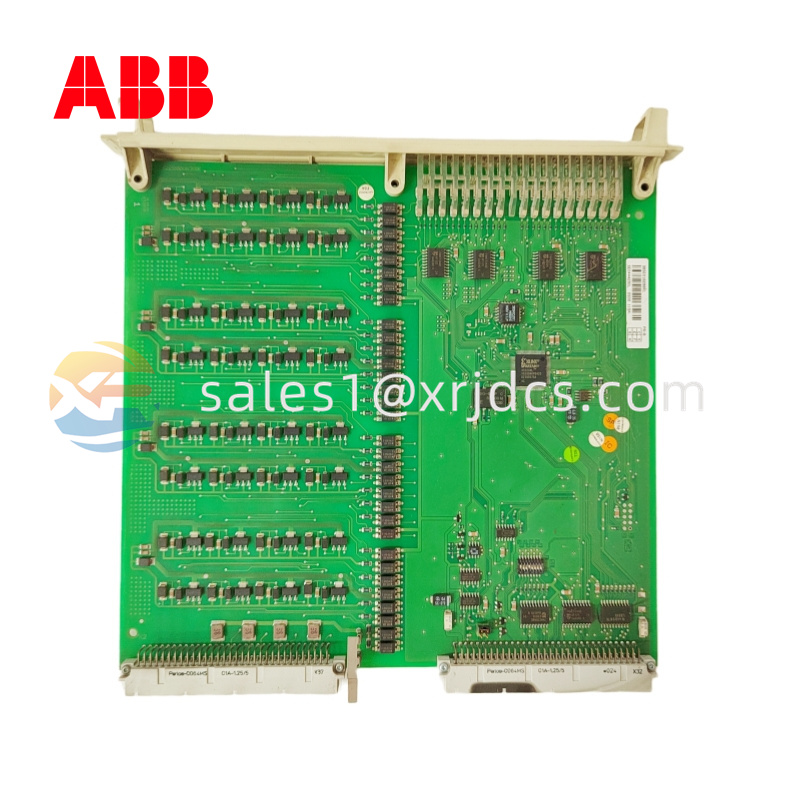
ABB DSDO115A 3BSE018298R1 Digital Output Module
Product Overview
The ABB DSDO115A 3BSE018298R1 is an industrial digital output module designed for use in distributed control systems (DCS), especially within ABB Advant and S800 I/O-based automation architectures. It is responsible for converting control system commands into physical ON/OFF output signals that drive field devices such as relays, solenoids, alarms, valves, and actuators.
This module is widely used in power generation, petrochemical plants, and industrial automation environments where reliable and precise output control is essential for safe plant operation.
Key Features
High-Performance Digital Output Control
The module provides stable and accurate digital output switching, ensuring reliable execution of control commands in real-time industrial environments.
Multi-Channel Output Capability
It typically supports multiple output channels, enabling efficient control of numerous field devices from a single module.
Electrical Isolation Protection
Each output channel is designed with isolation to protect the control system from electrical surges, noise, and field-side disturbances.
Industrial-Grade Reliability
Built for continuous operation in harsh environments, the module maintains stable performance under vibration, temperature variations, and electrical interference.
Fast Response Switching
The output channels respond quickly to control signals, ensuring timely actuation of connected devices.
Technical Specifications
| Parameter |
Description |
| Manufacturer |
ABB |
| Model |
DSDO115A |
| Order Number |
3BSE018298R1 |
| Product Type |
Digital Output Module |
| System Compatibility |
ABB Advant / S800 I/O systems |
| Output Type |
Digital ON/OFF signals |
| Channels |
Typically multi-channel (system-dependent) |
| Output Voltage |
Industrial control voltage levels |
| Interface |
DCS backplane / rack system |
| Operating Environment |
Industrial automation systems |
| Duty Cycle |
Continuous 24/7 operation |
Functional Description
The ABB DSDO115A module acts as the final control execution layer in an automation system. It receives logic commands from a controller and translates them into electrical output signals that activate or deactivate field equipment.
Core Functions
Digital signal output to field devices
Control of actuators, relays, and solenoids
Execution of automation logic commands
Coordination of industrial process operations
Support for alarm and interlock systems
Structure and Internal Design
The module is designed with a robust electronic architecture to ensure long-term stability and safe operation.
Main Components
Output driver circuits
Electrical isolation modules
Signal processing and control logic
Diagnostic and status monitoring system
Backplane communication interface
Protective circuitry against overload and surges
This structure ensures reliable switching performance even in electrically noisy industrial environments.
Application Areas
The ABB DSDO115A is used across a wide range of industrial sectors requiring reliable output control.
Typical Applications
Power generation plants (gas and steam turbines)
Oil and gas processing facilities
Chemical and petrochemical industries
Water treatment systems
Industrial manufacturing automation
Substation control systems
Process control and safety systems
Installation Guidelines
Proper installation ensures optimal performance and system safety.
Recommended Practices
Install inside ABB-compatible control cabinets
Ensure correct wiring of output channels
Maintain proper grounding and shielding
Avoid high-moisture or corrosive environments
Follow ABB system integration documentation
Correct installation helps maintain stable signal transmission and reduces system faults.
Maintenance Recommendations
Although the module is designed for long-term operation, periodic maintenance is recommended:
Inspect terminal connections regularly
Verify output channel functionality
Monitor system diagnostic indicators
Clean control cabinet ventilation areas
Perform scheduled system testing
Preventive maintenance improves reliability and reduces unexpected downtime.



 Switzerland
 .jpg)
.jpg)
.jpg)