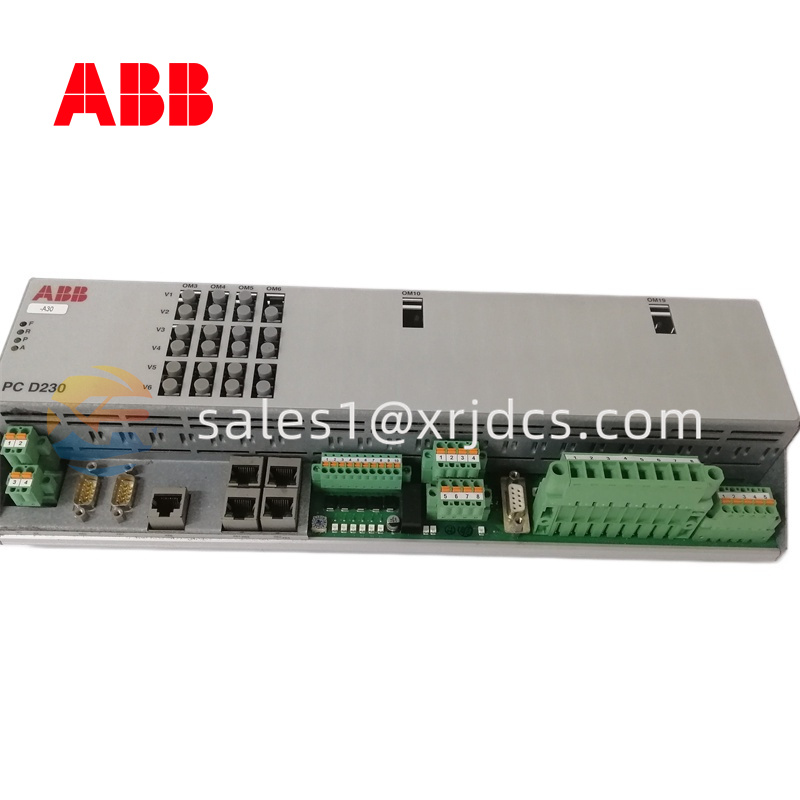
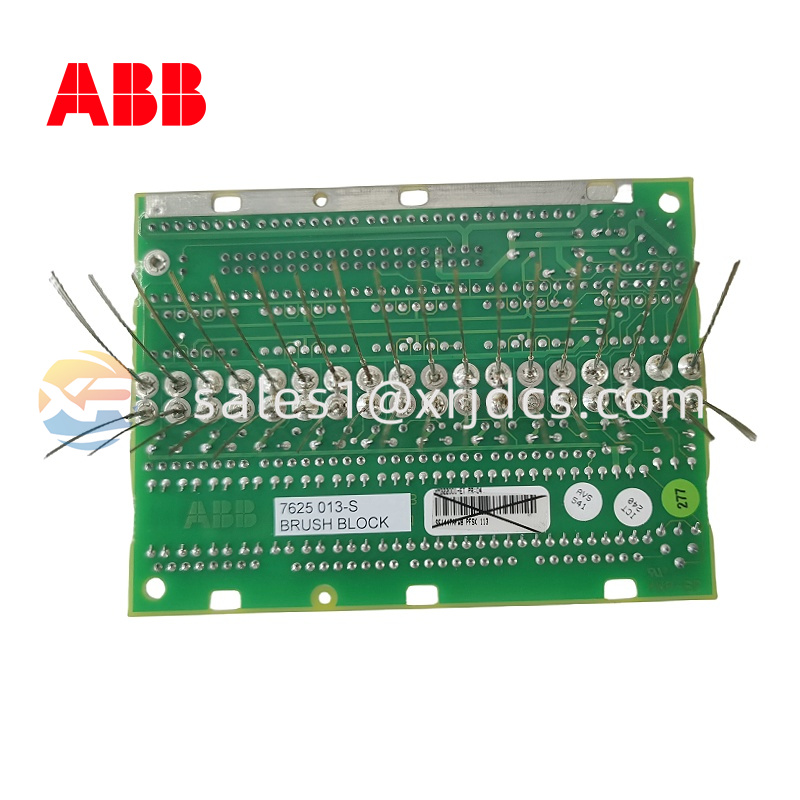
ABB 7625013-S
Overview
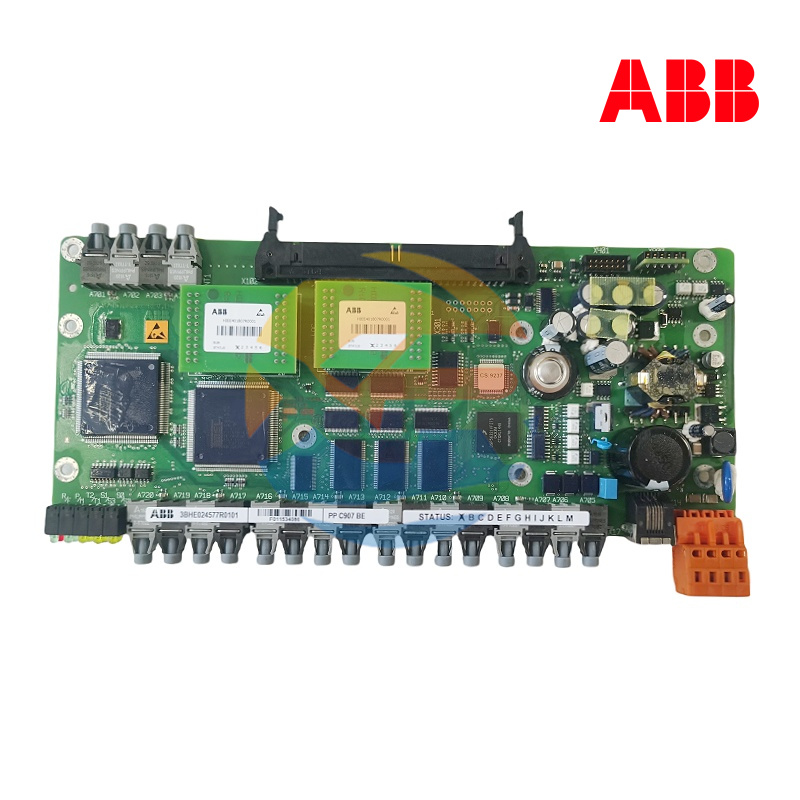
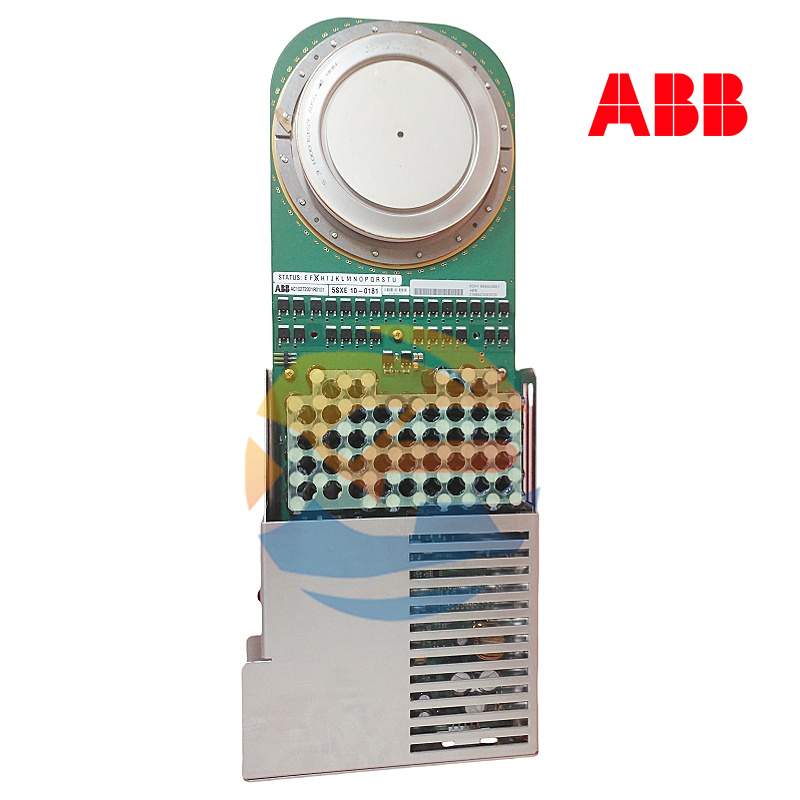
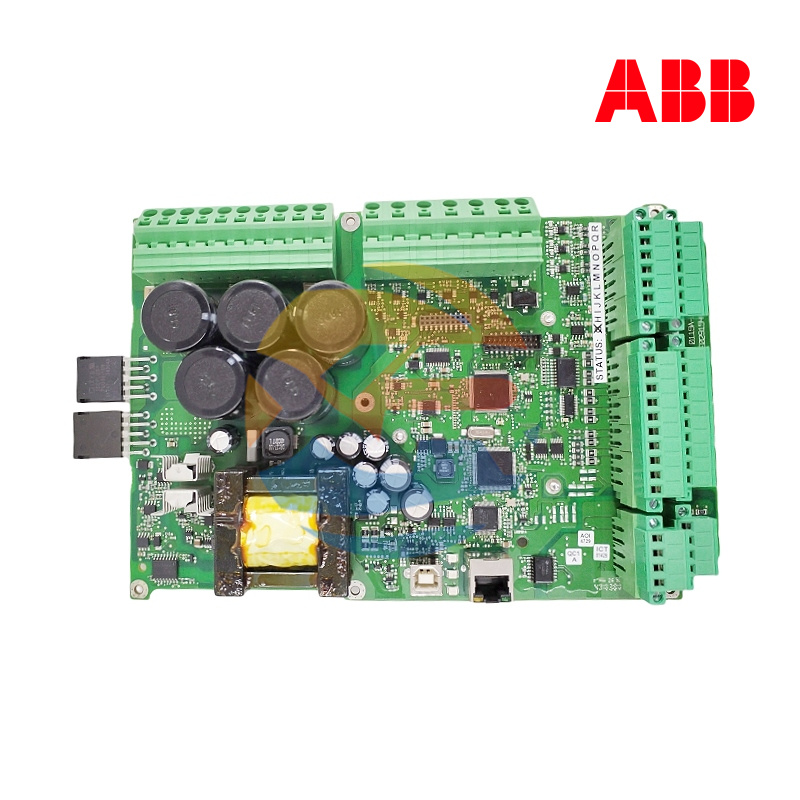
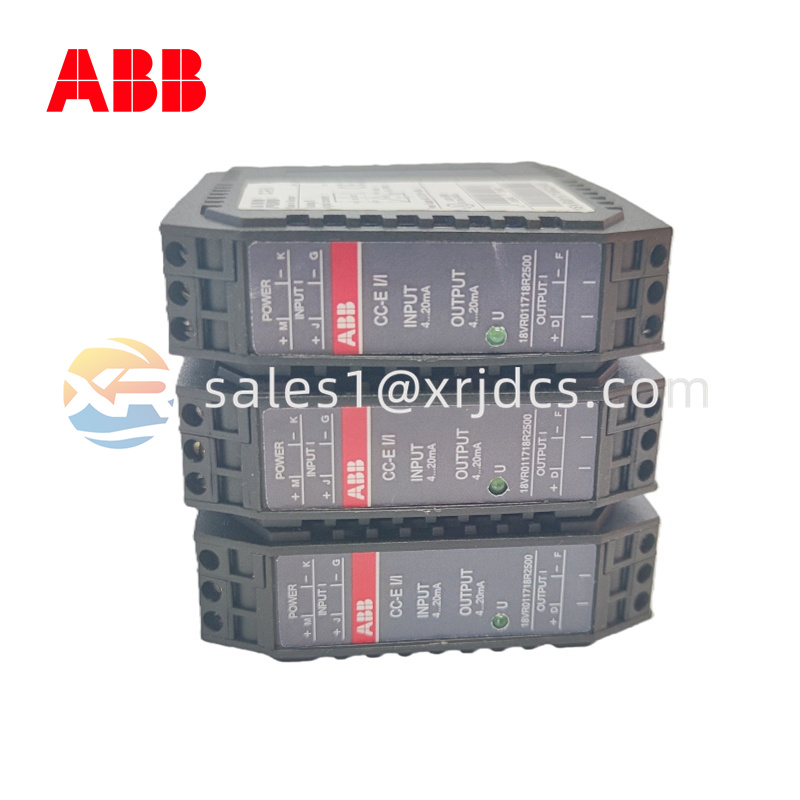
The ABB 7625013-S is a signal transmission unit module designed for converting, transmitting, and processing signals and data in industrial automation environments. It supports multiple signal types (such as analog, digital, and current signals) and features various interfaces (including Ethernet, USB, and I/O bus terminal modules) to ensure efficient communication and data exchange between devices.
-
Specifications
- Processor: 400 MHz ARM9 32-bit CPU, delivering powerful computing performance.
- Memory: 128 MB microSD card (expandable), 64 MB DDR RAM.
- Interfaces:
- 2 × 10/100 Mbit/s Ethernet ports (with integrated switch).
- USB port.
- I/O interface with real-time clock.
- Power Supply: Built-in 1-second UPS backup, compatible with bus terminal modules or EtherCAT terminal modules.
- Dimensions: 26 × 58 × 28 mm, weight: 0.43 kg.
- Operating Temperature Range: -40°C to 85°C.
- Protection Rating: IP67.
-
Key Features
- High Reliability: Industrial-grade design ensures stable operation in harsh environments.
- Versatility: Supports multiple signal types (analog, digital, current signals) and features signal isolation.
- Flexibility: Compatible with various communication protocols (such as Profinet, EtherNet/IP, Modbus TCP/IP) for seamless integration with other devices.
- Redundancy Mechanism: Equipped with redundancy and fault tolerance to enhance system reliability and continuity.
- Ease of Use: Compact size for simple installation and maintenance.
-
Structure and Components
The ABB 7625013-S consists of:
- ARM9 processor.
- DDR RAM.
- microSD card slot.
- USB and Ethernet interfaces.
- Real-time clock.
It also includes a built-in UPS power module for short-term power backup and supports multiple communication protocols and interfaces for easy connectivity with other devices.
-
Applications
The ABB 7625013-S is widely used in the following industries:
- CNC Machinery: Precision control of machine tools.
- Metallurgy: Signal transmission and monitoring in high-temperature, high-pressure environments.
- Oil & Gas: Monitoring equipment status during production processes.
- Power & Energy: Grid monitoring and power dispatch.
- Water Treatment/Environmental Protection: Automation control and monitoring.
- Building Automation: Control of HVAC systems (heating, ventilation, air conditioning).
- Data Centers: Environmental condition monitoring.
- Other Fields: Including machinery manufacturing, electronics production, and municipal engineering.



 Switzerland