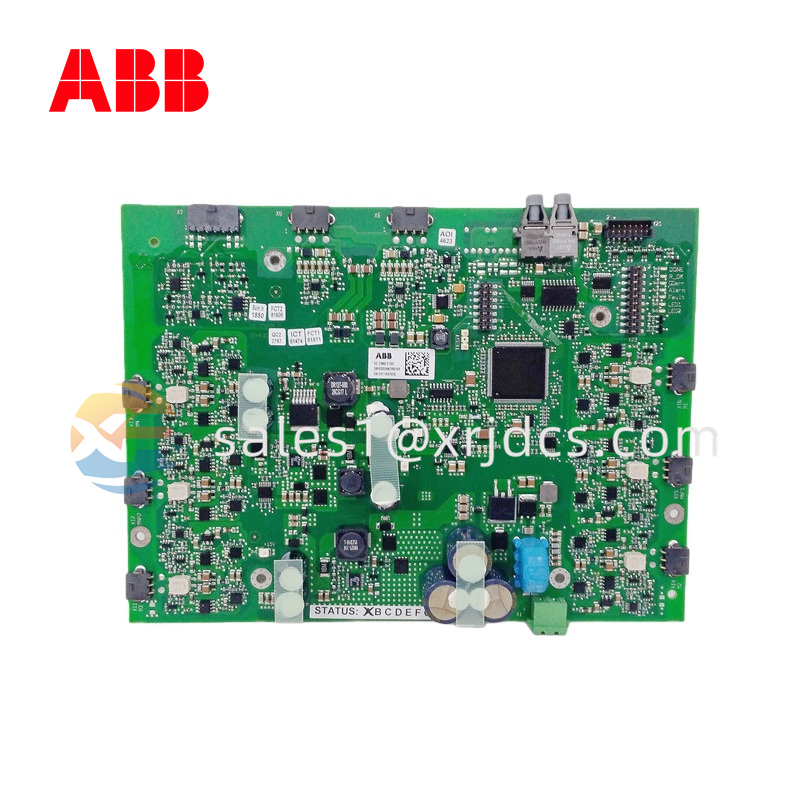
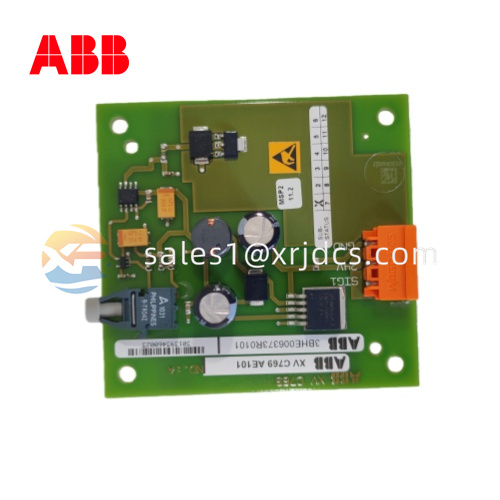
Product Overview
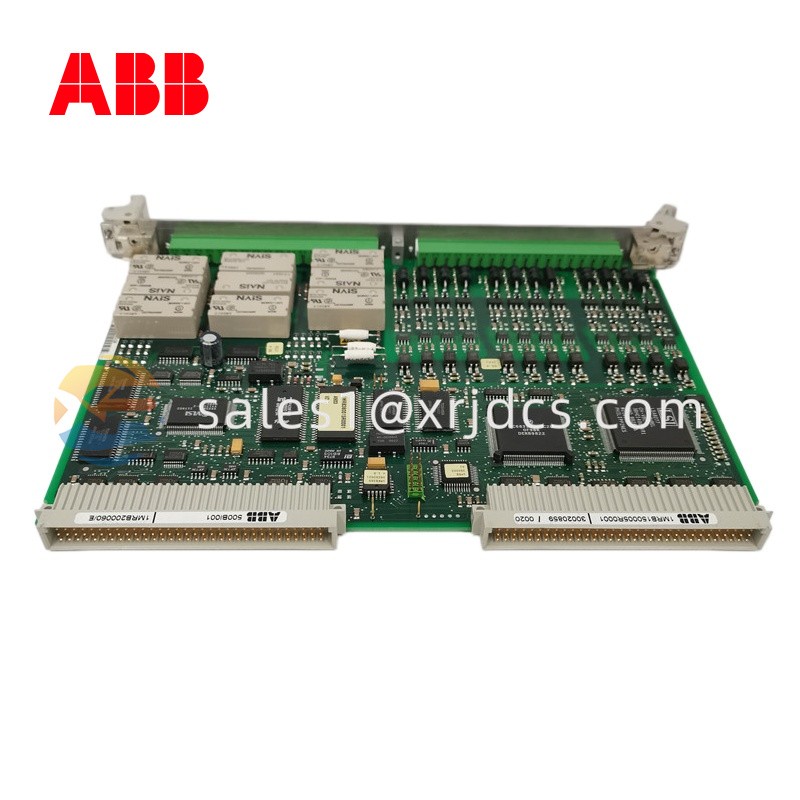
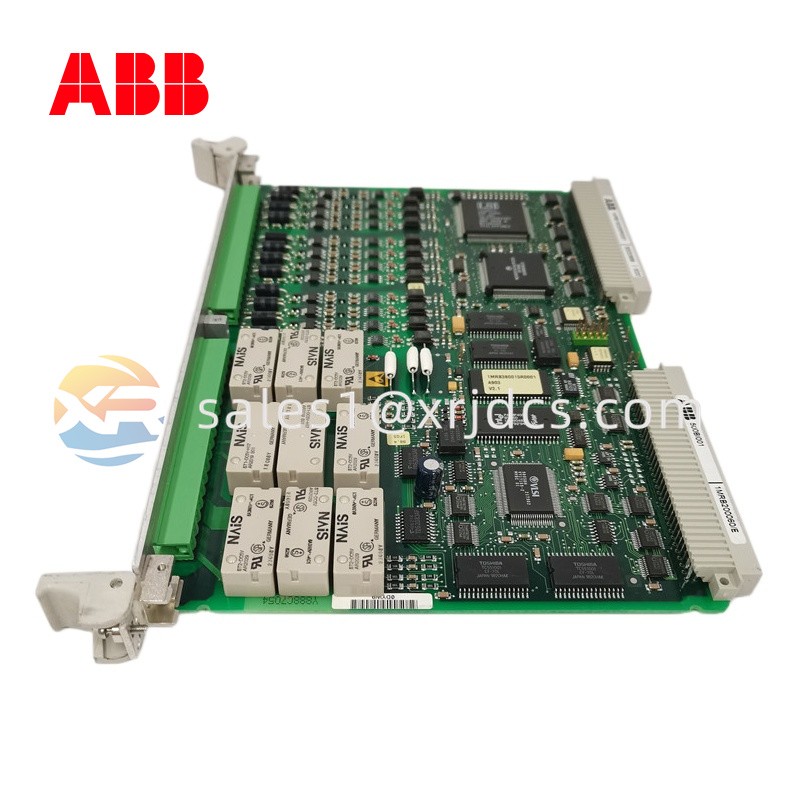
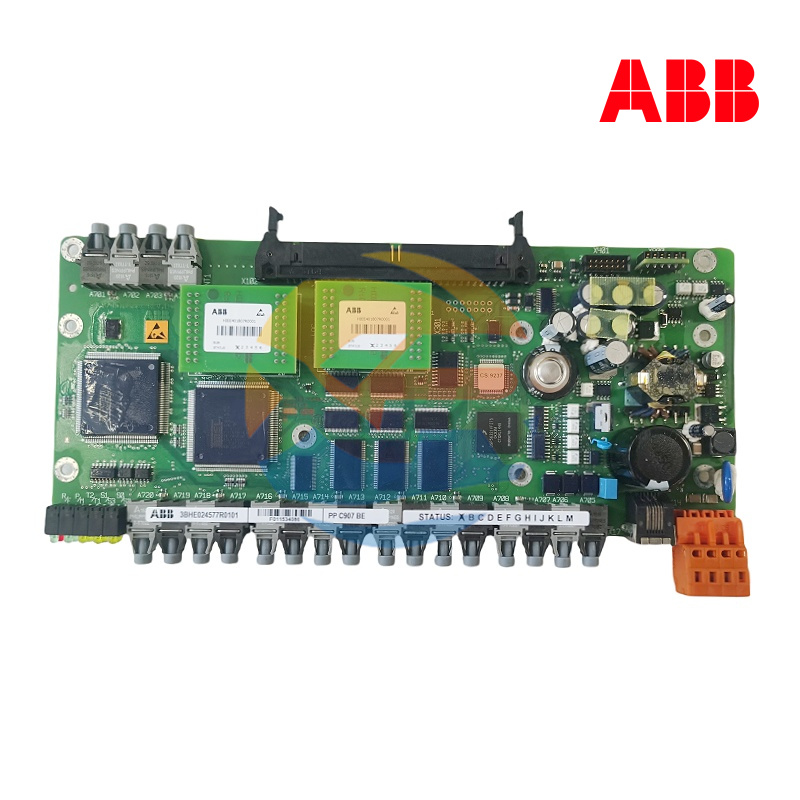
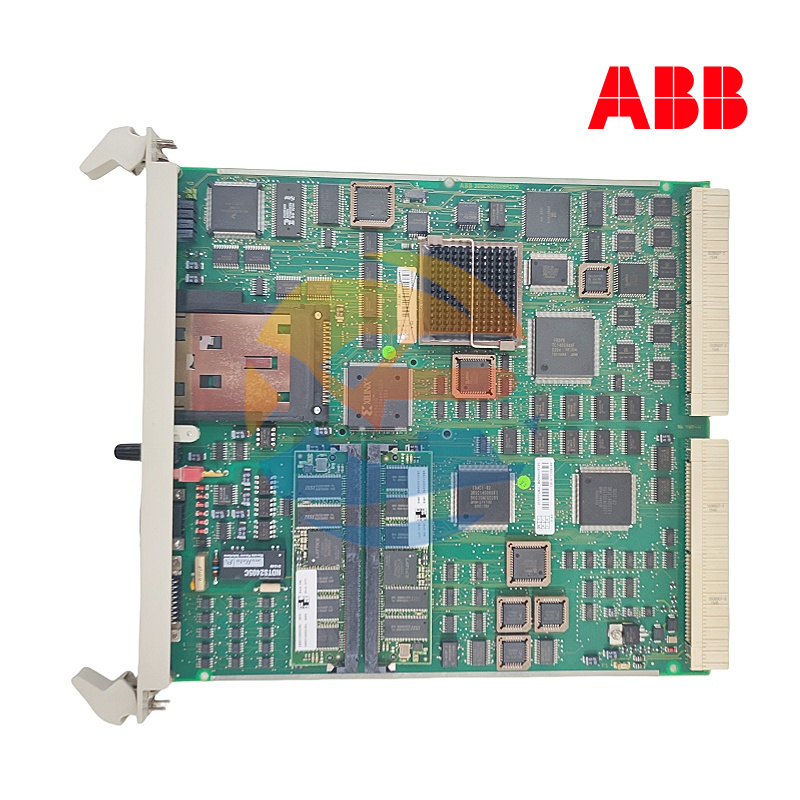
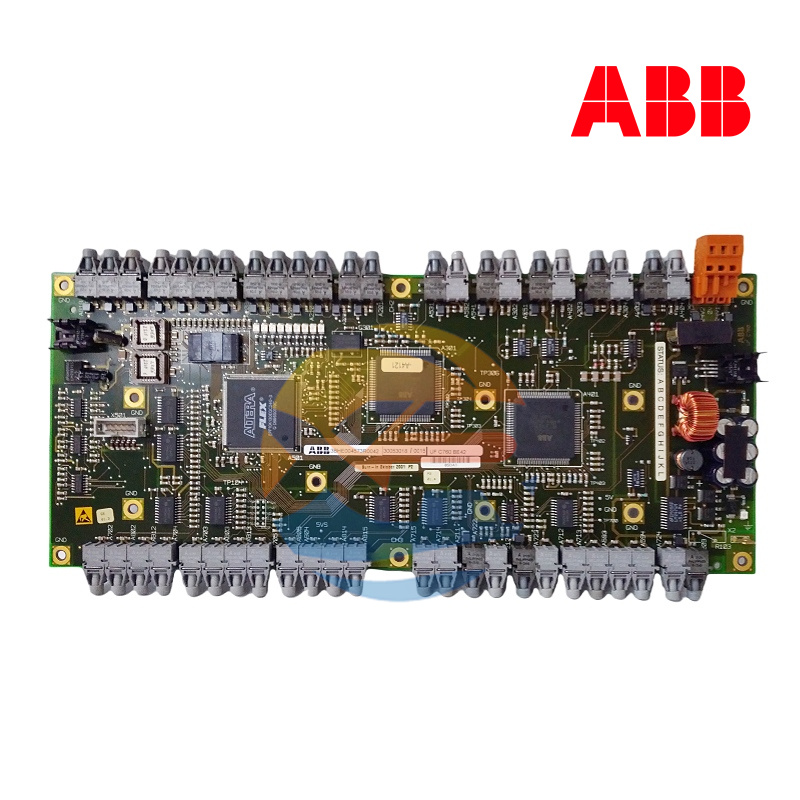
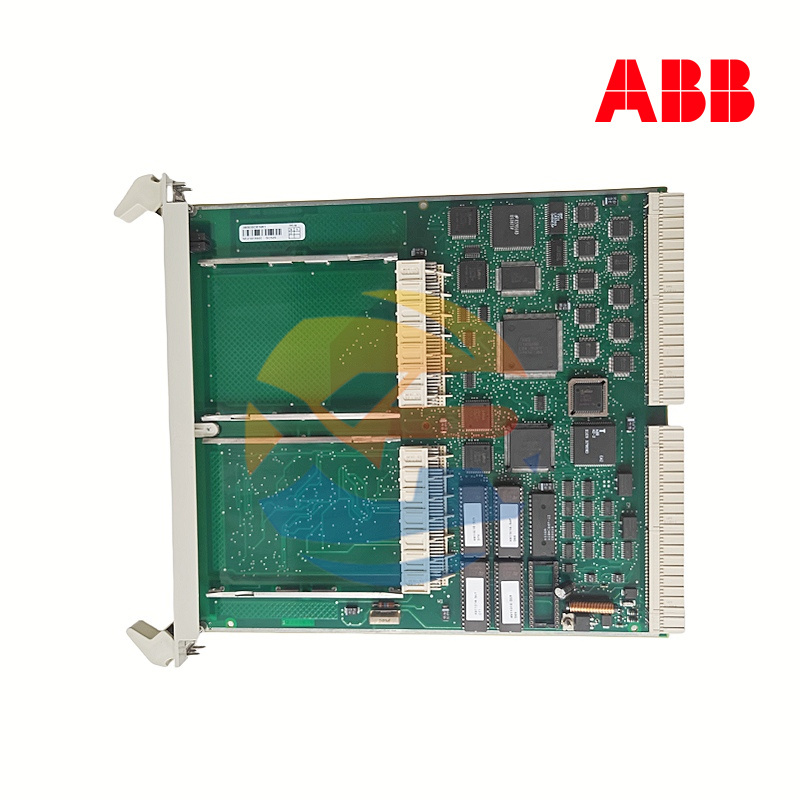
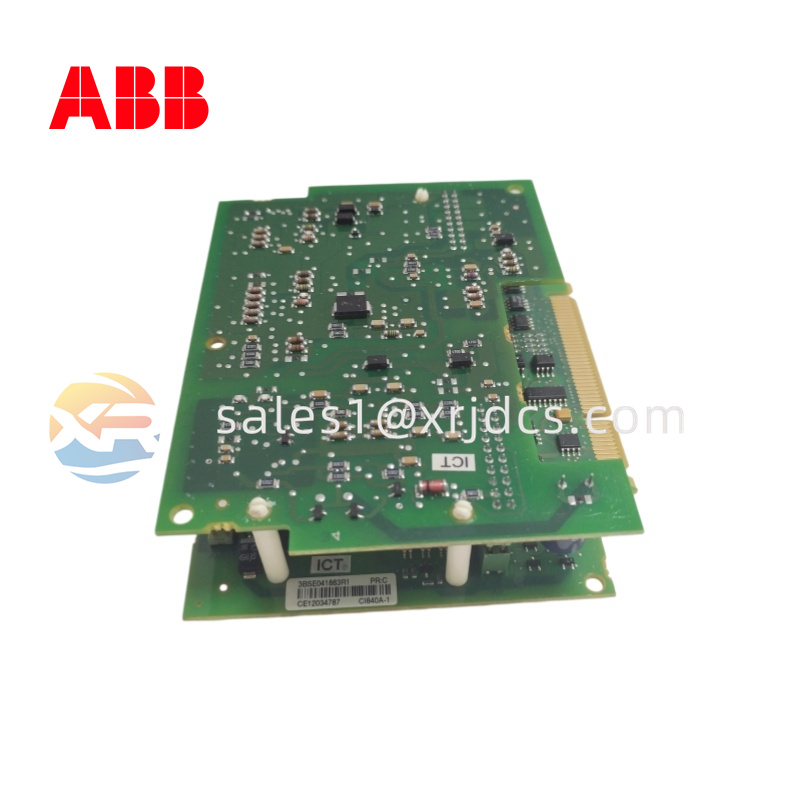
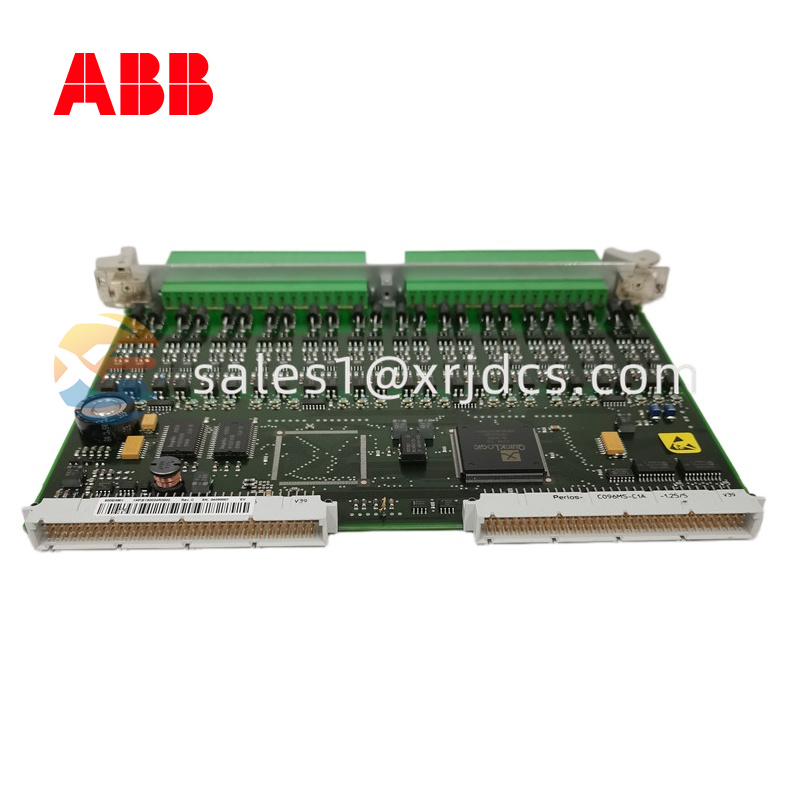
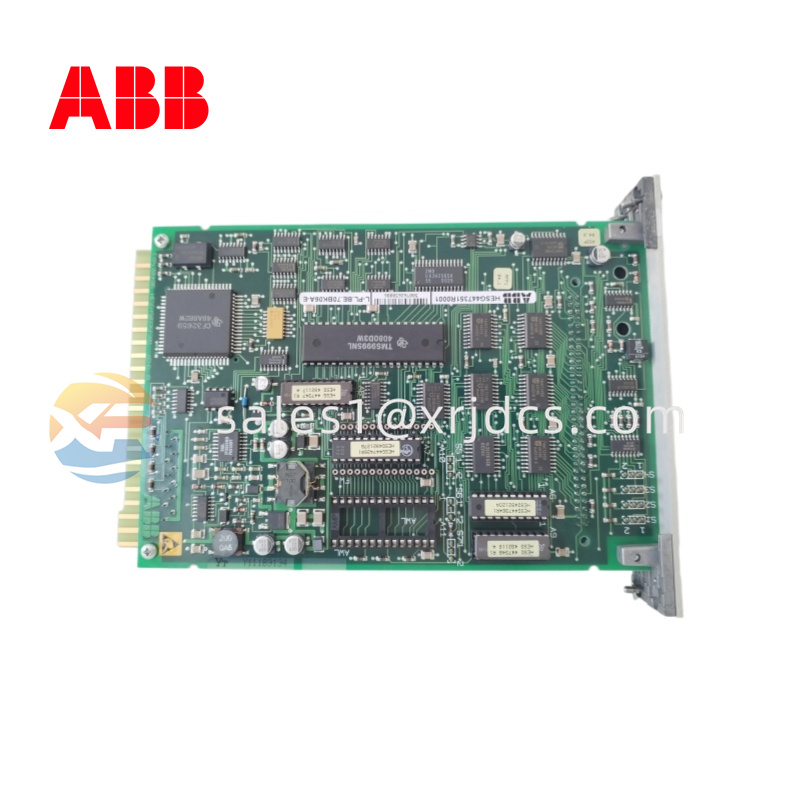
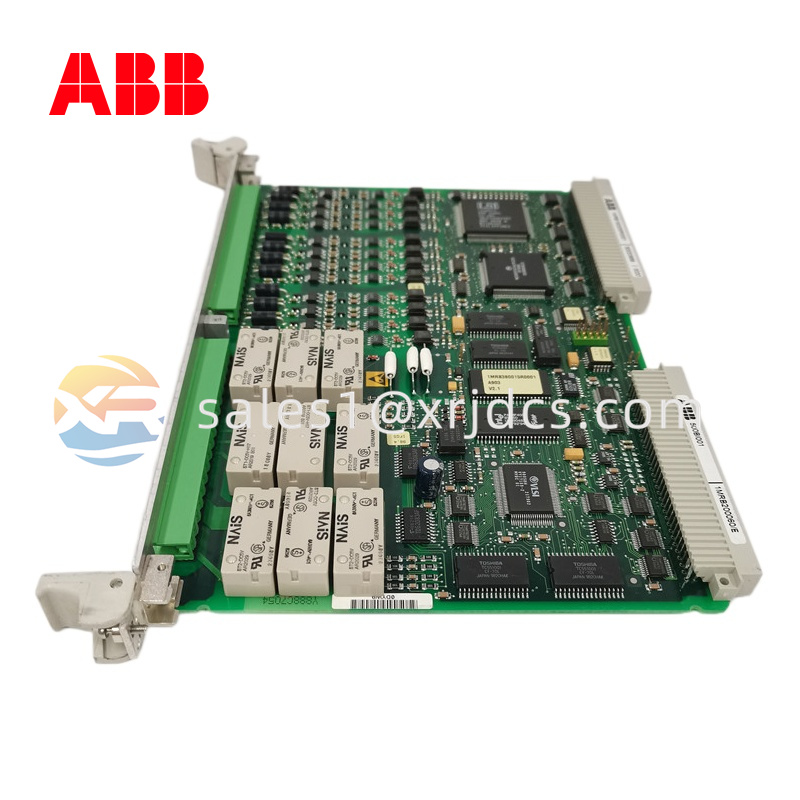
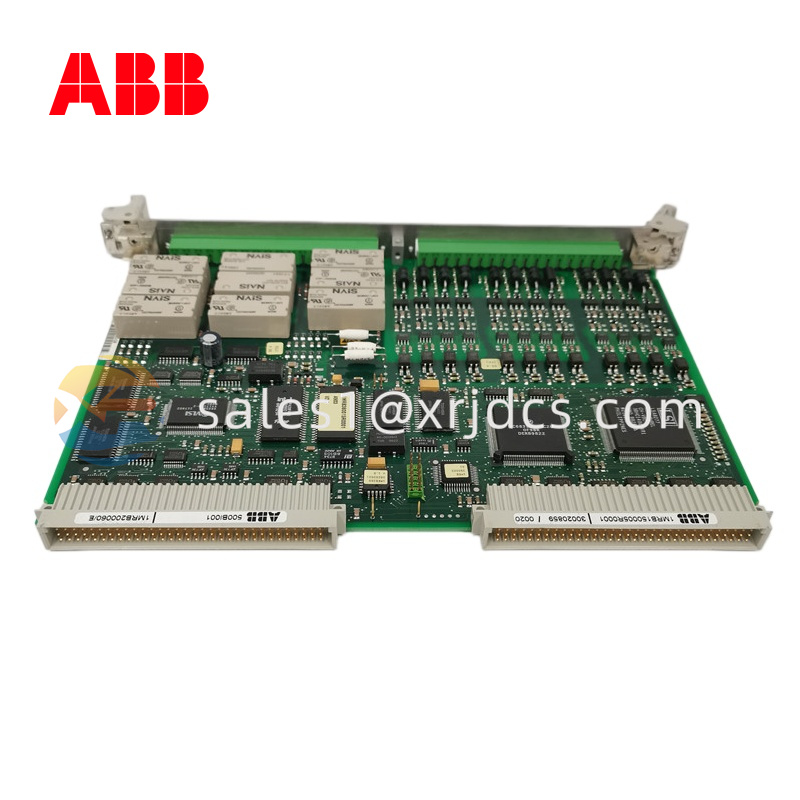
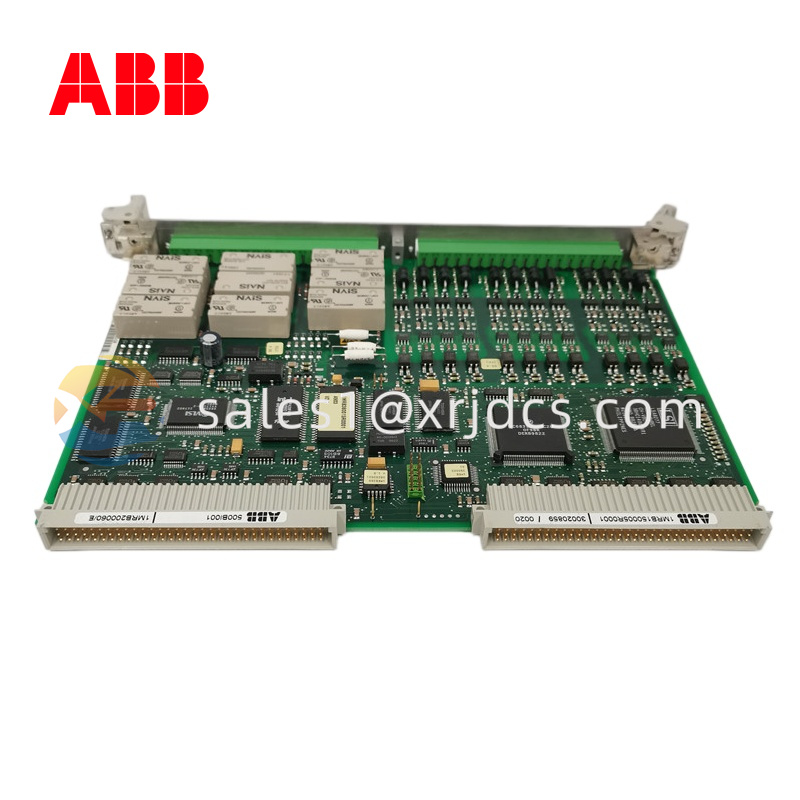
The ABB 500BIO01 1MRB150005R0001 1MRB200060/E is an industrial‑grade digital I/O and safety interface module designed for use within ABB’s modular automation platforms — particularly AC 500 PLC systems and distributed control architectures. It combines configurable digital input/output channels with rugged communication and safety features, making it suitable for both standard control and SIL‑certified safety applications.
This module functions as a baseplate I/O unit, bridging field devices (sensors, switches, actuators) with higher–level controllers via standard industrial protocols and providing reliable, deterministic control and monitoring in demanding environments.
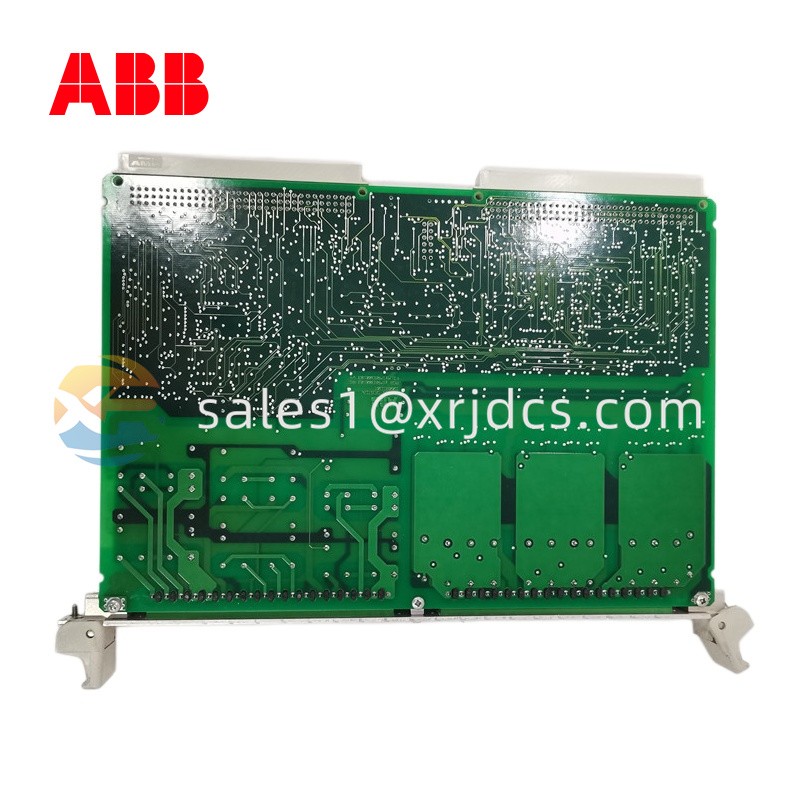
Structure & Composition
The 500BIO01 module includes:
Digital I/O Channels: Configurable channels for both inputs (e.g., switches, limit sensors) and outputs (e.g., relays or transistor outputs)
Isolation & Protection: Galvanic isolation between channels and bus, plus surge protection to safeguard against electrical noise
Communication Interfaces: Built–in support for industrial protocols like PROFIBUS DP and Modbus RTU for flexible system integration
Mounting Hardware: DIN‑rail or cabinet mounting for easy deployment within automation racks.
The associated 1MRB200060/E often refers to an expansion baseplate or module assembly component that pairs with the 500BIO01 to complete the I/O unit assembly and ensure safe, standardized field wiring.
Key Features
Configurable I/O: Channels can be dynamically set as digital inputs or outputs to fit specific application needs, reducing the need for multiple distinct modules.
Multi‑Protocol Support: Interfaces with PROFIBUS, Modbus RTU, and other industrial communication standards, enabling broad compatibility with PLCs, DCS, and third‑party devices.
SIL‑Certified Safety Option: Certain configurations (especially those including the 1MRB200060/E variant) achieve SIL 3, PL e, Category 4 safety certification, making the module usable in functional safety systems like emergency shutdowns and protective interlocks.
Robust Operating Range: Designed for harsh industrial environments with operating temperature ranges typically from −25 °C to +70 °C and strong electrical noise immunity.
Galvanic Isolation: Provides channel‑to‑bus isolation (1500 V AC typical) for improved signal integrity and noise resistance.
Technical Specifications
| Parameter |
Description |
| Model |
500BIO01 1MRB150005R0001 / 1MRB200060/E |
| Module Type |
Baseplate Digital I/O Module |
| Manufacturer |
ABB |
| Digital I/O Channels |
Typically 16 configurable channels |
| Supply Voltage |
24 V DC ±15 % |
| Communication Protocols |
PROFIBUS DP, Modbus RTU |
| Isolation |
~1500 V AC (channel‑to‑bus) |
| Operating Temp. |
−25 °C to +70 °C |
| Certifications |
IEC 61131‑2, UL 508; SIL 3 / PL e (variants) |
Overview of Capabilities
The module supports high‑speed discrete signal handling and is often used where robust, quick response digital control is required. When paired with the safety‑certified assembly (500BIO01 with 1MRB200060/E), it meets strict industrial safety standards, such as SIL 3 per IEC 61508, PL e per ISO 13849‑1, and Category 4 per EN 954‑1, making it suitable for safety‑critical control loops and emergency systems without compromising performance.
Applications
Typical application scenarios include:
Process Control Systems: Monitoring and controlling discrete devices like valves, switches, and actuators in chemical, oil & gas, and water treatment plants.
Machine Automation: Coordinating production line signals, safety interlocks, and discrete event responses.
Safety Systems: Emergency shutdown (ESD) systems, safety interlock chains, and protection logic in high‑risk applications (when SIL‑certified variant is used).
Distributed Automation Architectures: Integration with PLC or DCS platforms for scalable, distributed control and monitoring.
Installation & Configuration
Mounting: Install the module on a DIN rail or suitable control panel backplane.
Power & Bus Setup: Apply a 24 V DC supply and connect communication bus lines (e.g., PROFIBUS or Modbus).
Channel Configuration: Configure I/O channels via PLC/DCS software to assign input/output roles according to process needs.
Safety Logic: For safety‑certified variants, configure safety logic elements via the safety programming environment (e.g., Automation Builder Safety).
Maintenance & Reliability
Periodic Inspection: Check for secure terminal connections and signs of wear.
Diagnostic Monitoring: Use system diagnostics to detect channel faults or bus errors early.
Firmware Updates: Update configuration and firmware as needed to support new protocols or system upgrades.



 Switzerland