Product Snapshot
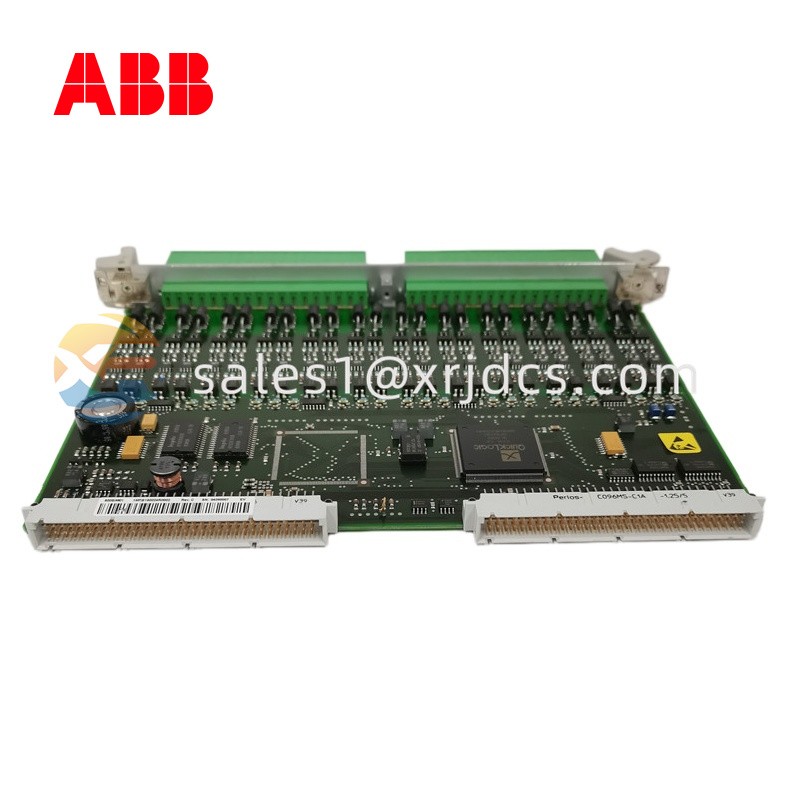
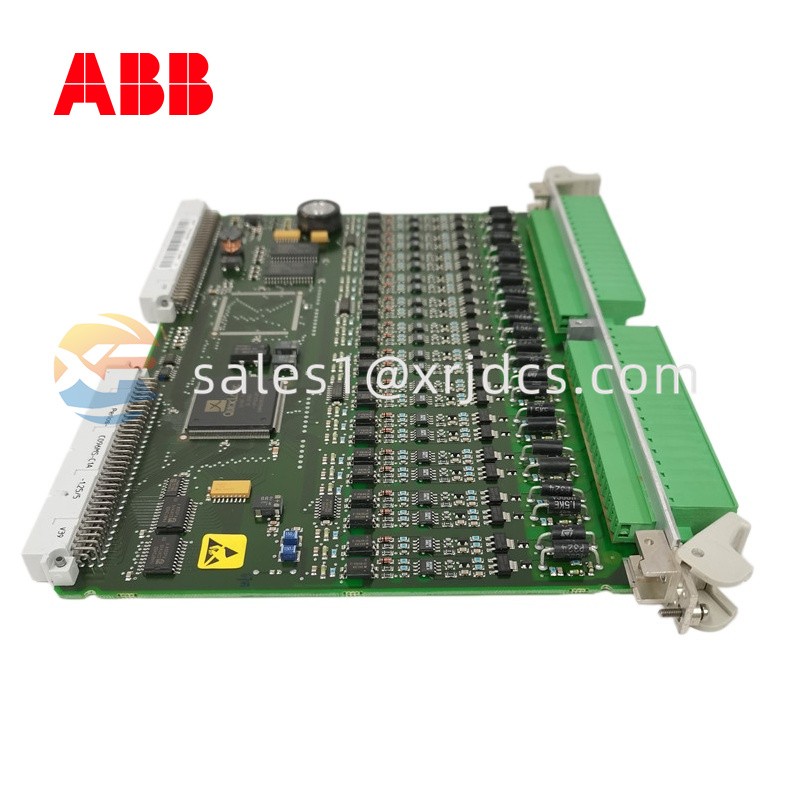
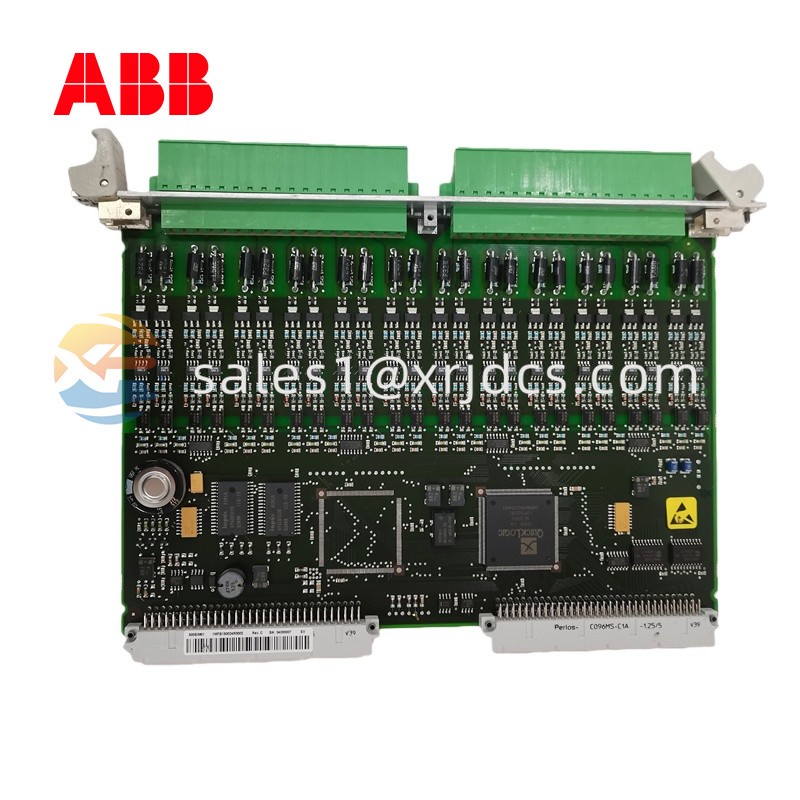
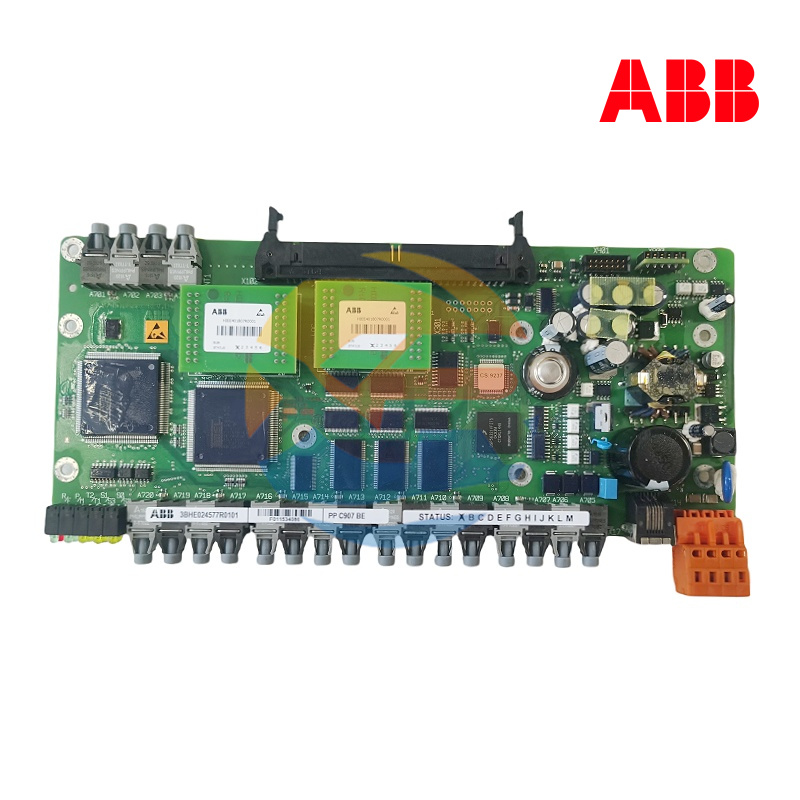
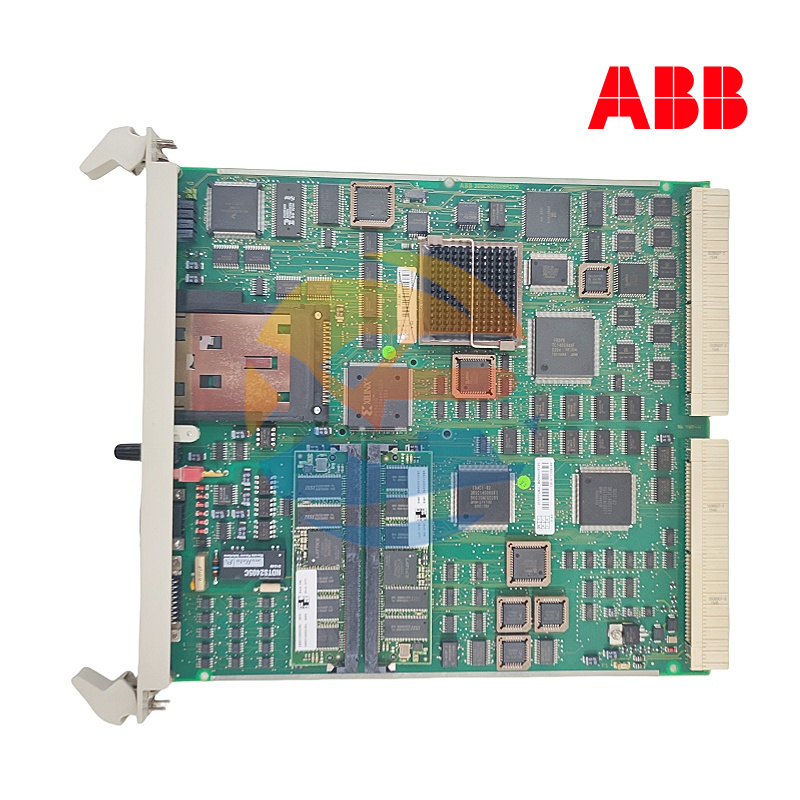
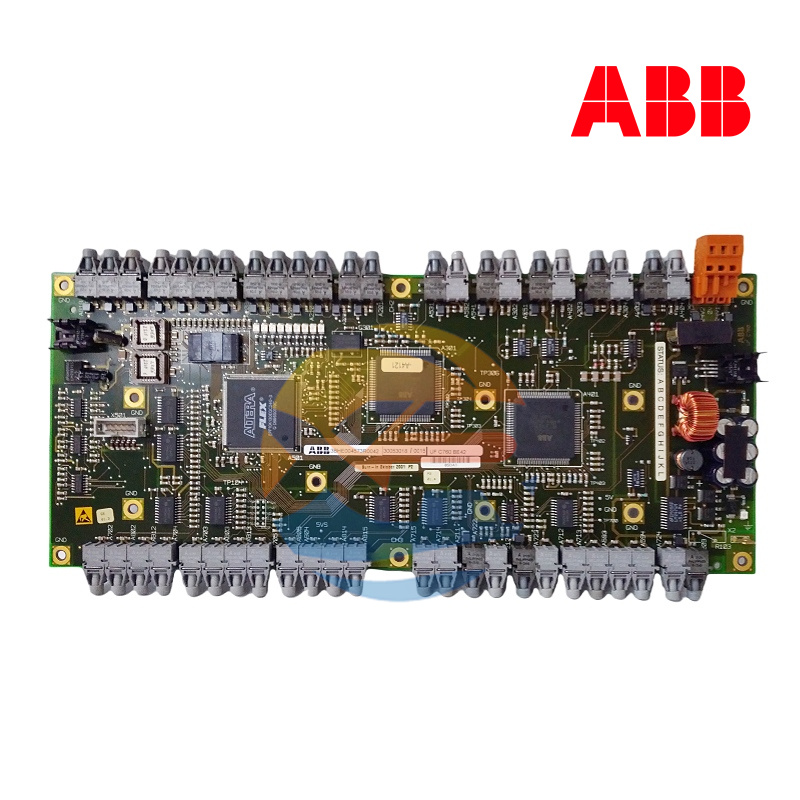
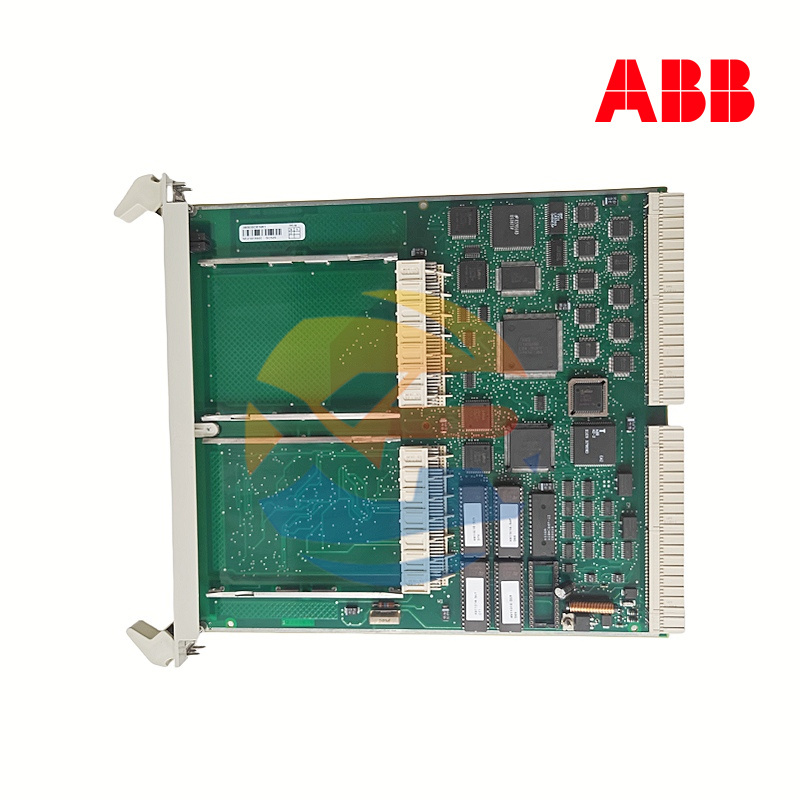
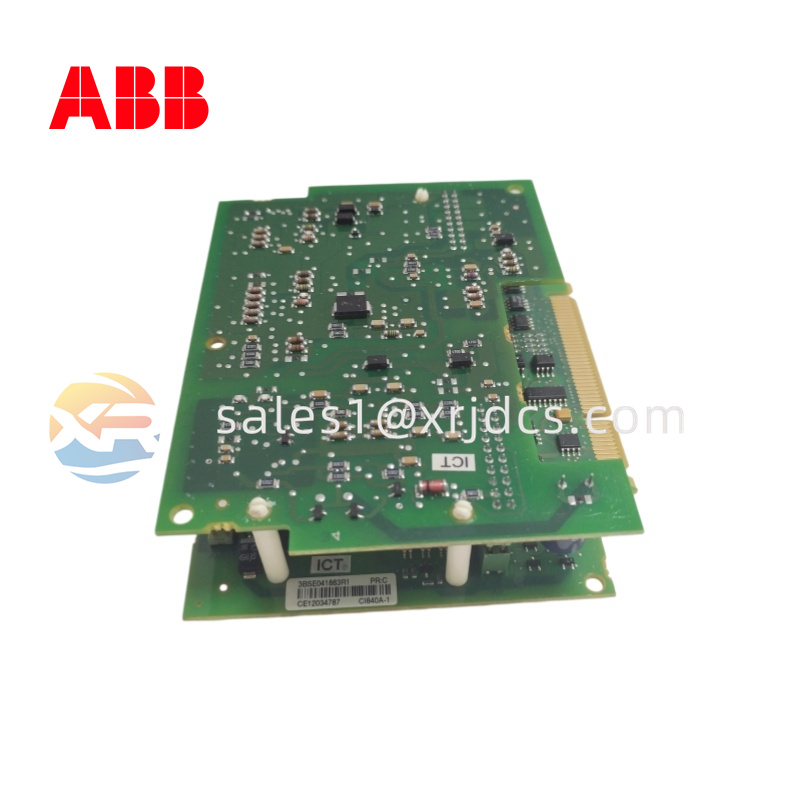
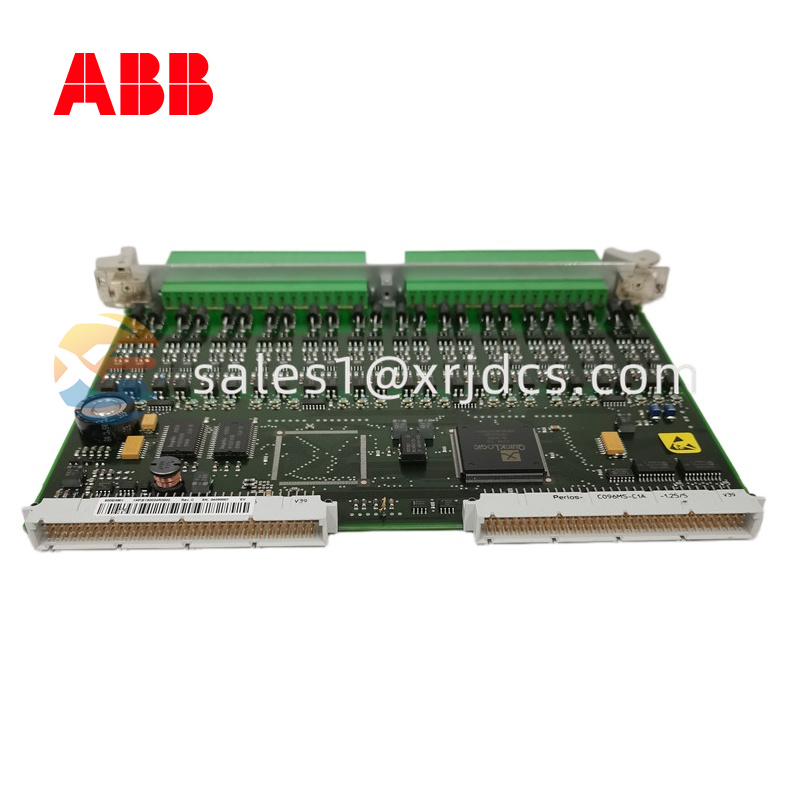
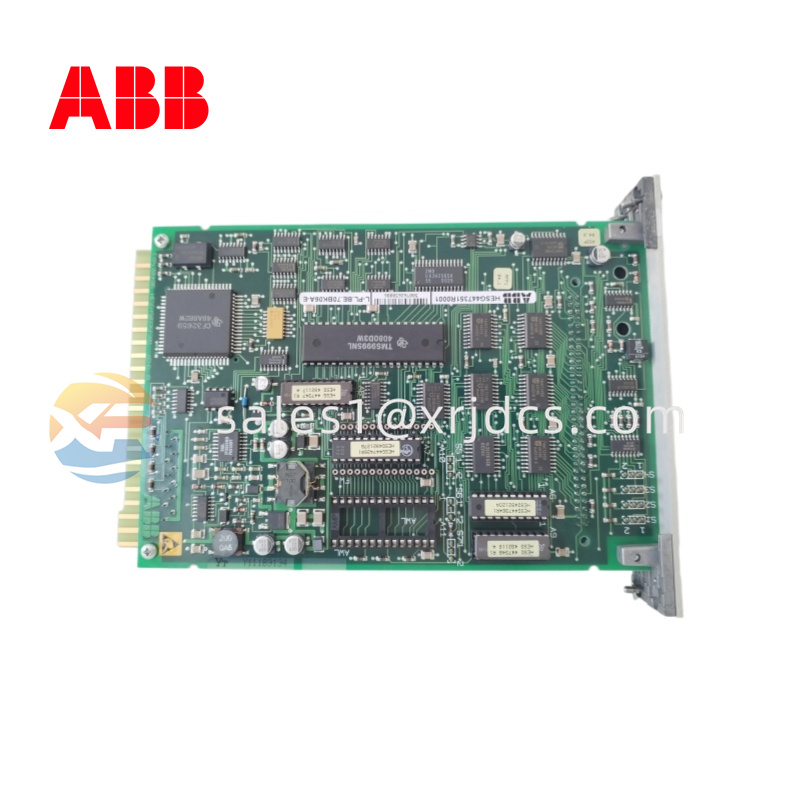
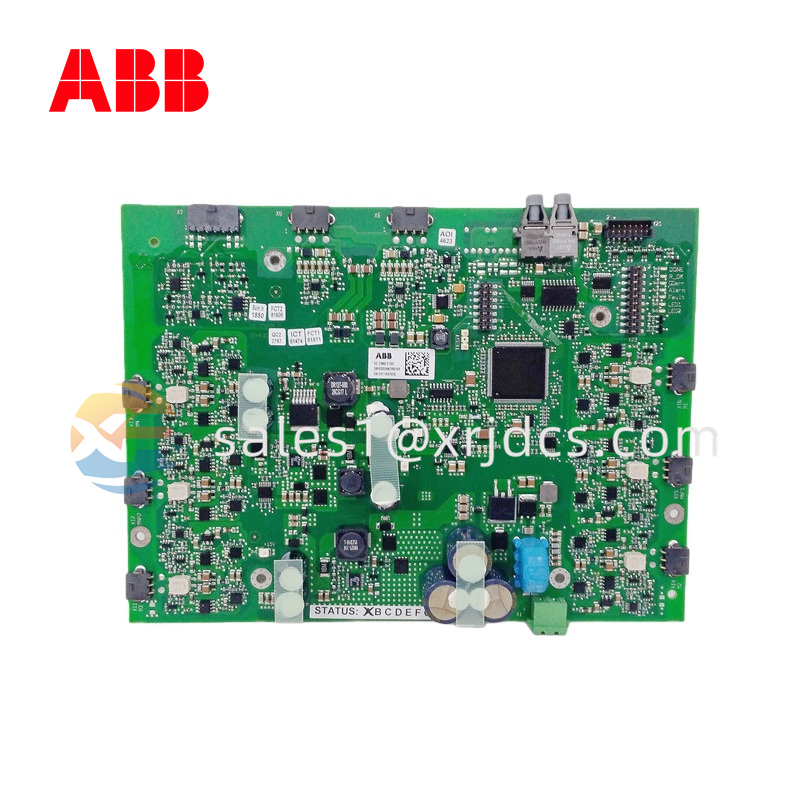
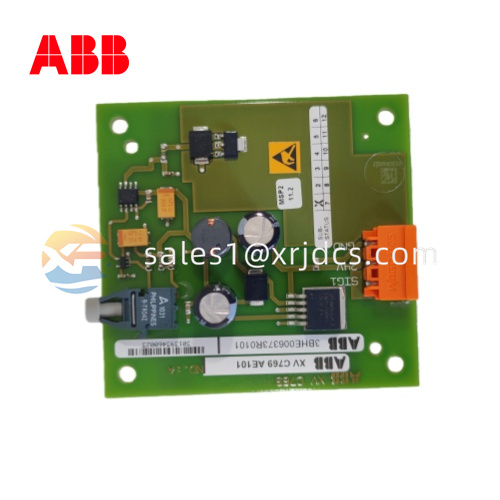
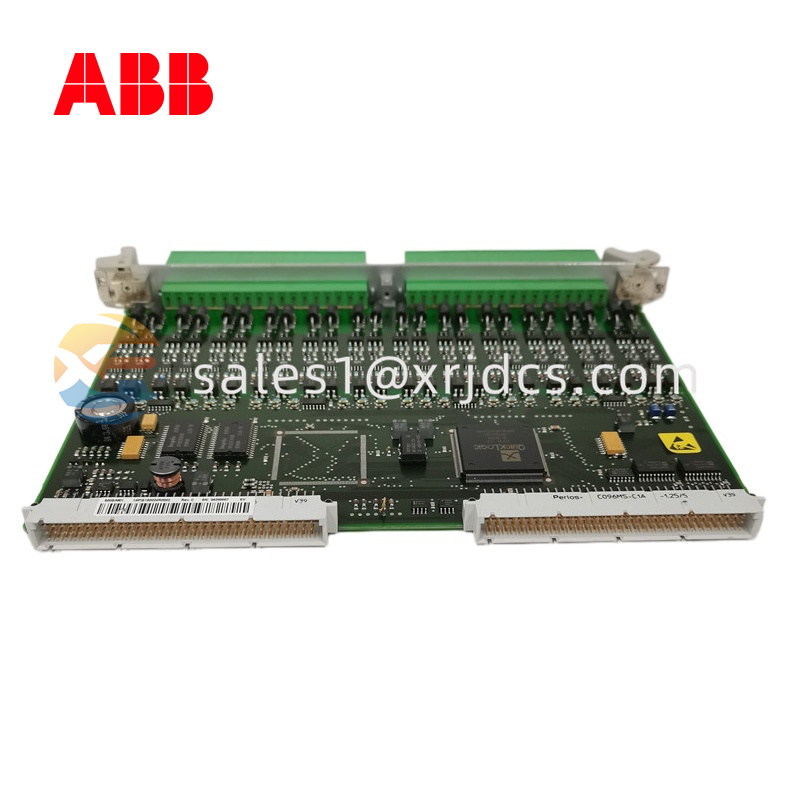
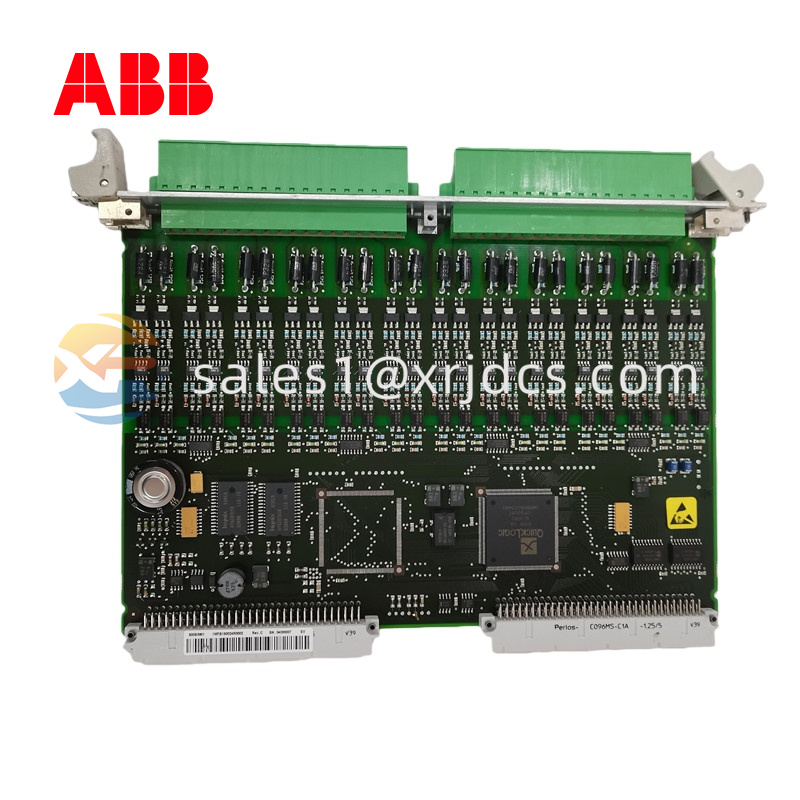
The ABB 500BIM01 (part number 1MRB150024R0002) is a modular interface/communication module used within the ABB AC500 programmable logic controller (PLC) automation platform. It serves as a key bridge between PLC cores, peripheral devices, and field-level systems, facilitating robust data exchange and I/O control in industrial automation setups.
The AC500 platform itself is a scalable, modular PLC environment that supports a wide variety of expansion options for digital and analog control, motion, safety, and communication capabilities.
Core Features & Capabilities
Mixed signal handling: Supports digital input and output channels (e.g., 8 DI + 8 DO), allowing flexible integration with field devices like sensors and actuators.
Multiple protocol support: Designed to work with industrial communication protocols — such as Modbus RTU, Profibus DP, Ethernet/IP — for flexible connectivity across automation networks.
24 V DC operation: Powered by a standard 24 V DC industrial supply, suitable for PLC rack environments.
Compact and rugged design: DIN‑rail mountable and built for industrial temperature and noise conditions.
Detailed Specifications
| Parameter |
Specification / Notes |
| Model |
ABB 500BIM01 (1MRB150024R0002) |
| Module Type |
Interface / I/O Module |
| Power Supply |
24 V DC ±10% |
| Digital I/O Channels |
8 Digital Inputs + 8 Digital Outputs (typical) |
| Communication Protocols |
Ethernet/IP, Modbus RTU, Profibus DP (varied) |
| Operating Temperature Range |
Approx. –20 °C to +60 °C |
| Mounting Style |
DIN‑rail compatible |
| Physical Size |
Compact industrial form factor |
| Weight |
Approx. ~0.5 kg |
| Typical Power Consumption |
Low power design (~5 W) |
Product Functionality Explained
The 500BIM01 serves as an interface bridge that helps connect PLC logic to field‑level I/O devices and networks. By interpreting control commands and data across protocols, this module enables unified communication between the PLC CPU and external sensors, actuators, or auxiliary systems.
Internally the module typically includes:
Input/Output terminals for discrete signaling
Protocol interface circuits to handle different network layers
Signal conditioning hardware to maintain signal integrity
Backplane connectors for seamless integration with the AC500 rack
Application Scenarios
This module is ideal for automation systems that require flexible I/O handling and cross‑system communication:
Manufacturing automation – control and status feedback for assembly lines
Water and wastewater treatment – monitoring and control of valves and pumps
Process industries – integration of sensors and control loops in chemical plants
Energy systems – interfacing distributed I/O for monitoring and protection
Logistics and material handling – relay control and digital signal routing
Such applications benefit from the module’s ability to bridge PLC logic with real‑world hardware signals and field protocols.
Installation & Integration Tips
Mount the module securely on a standard DIN rail inside a control cabinet.
Ensure wiring of digital I/O channels follows the PLC system’s grounding and shielding guidelines.
Configure communication settings (protocol type, baud rate) according to the network design using ABB Automation Builder or compatible engineering software.
Verify that all connected devices (sensors, actuators, other PLC modules) are compatible with the selected protocols before commissioning.
Advantages for System Designers
Modular expandability: Easily meshes with other modules in the ABB AC500 series PLC lineup.
Scalable control architecture: Supports expansion as system requirements grow.
Multi‑protocol flexibility: Reduces the need for separate gateways or converters.
Industrial reliability: Designed to withstand automation environment stresses, such as electrical noise and temperature variations.
Maintenance & Service Tips
Check for secure terminal connections periodically, especially in vibration‑prone installations.
Ensure firmware and protocol configurations are updated when integrating new devices.
Monitor module communication performance via PLC diagnostics to catch early signal errors.




 Switzerland